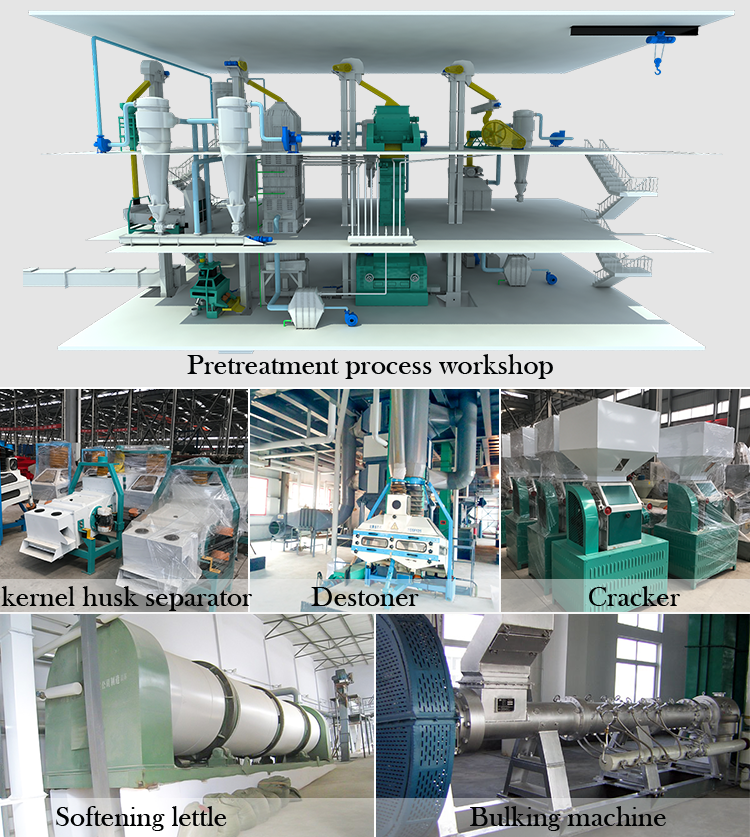
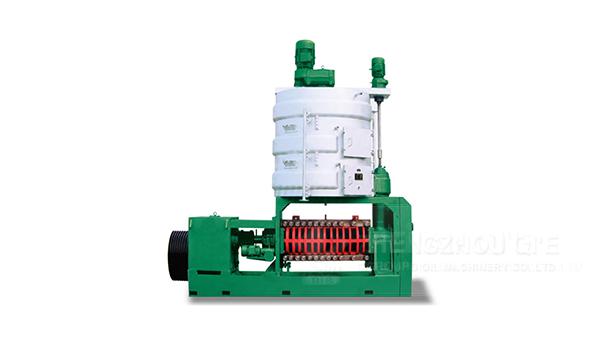
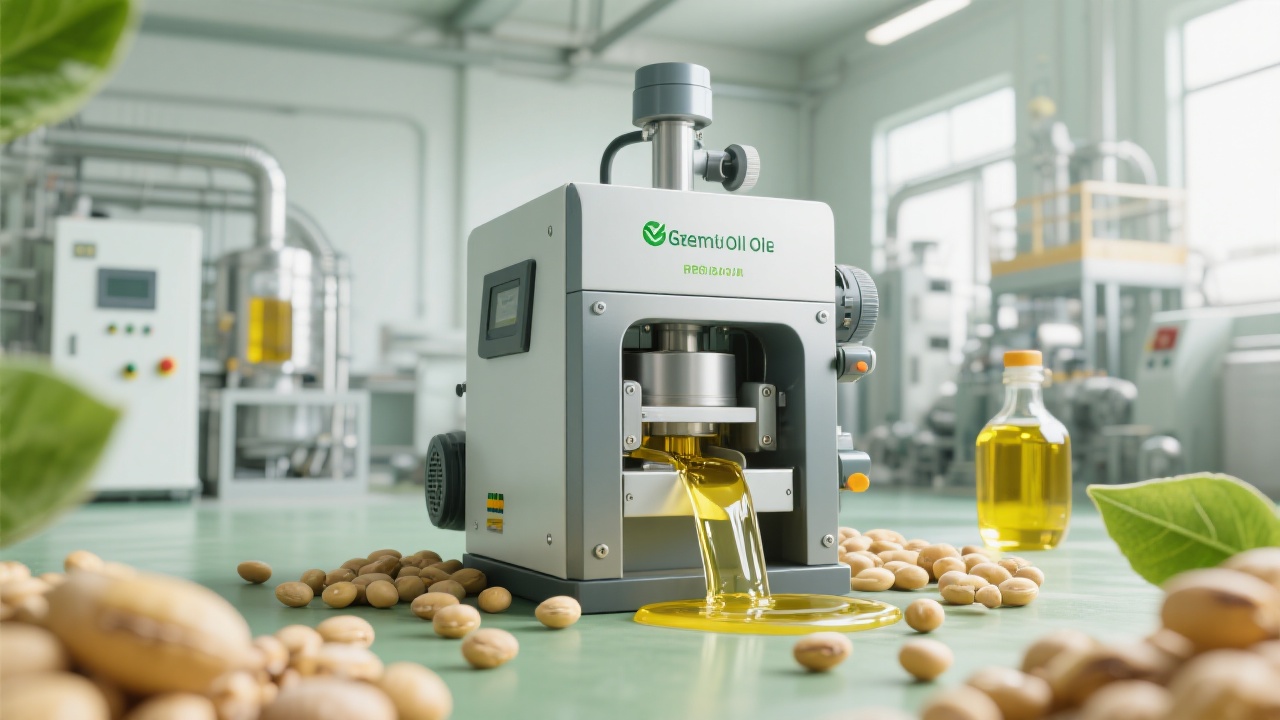
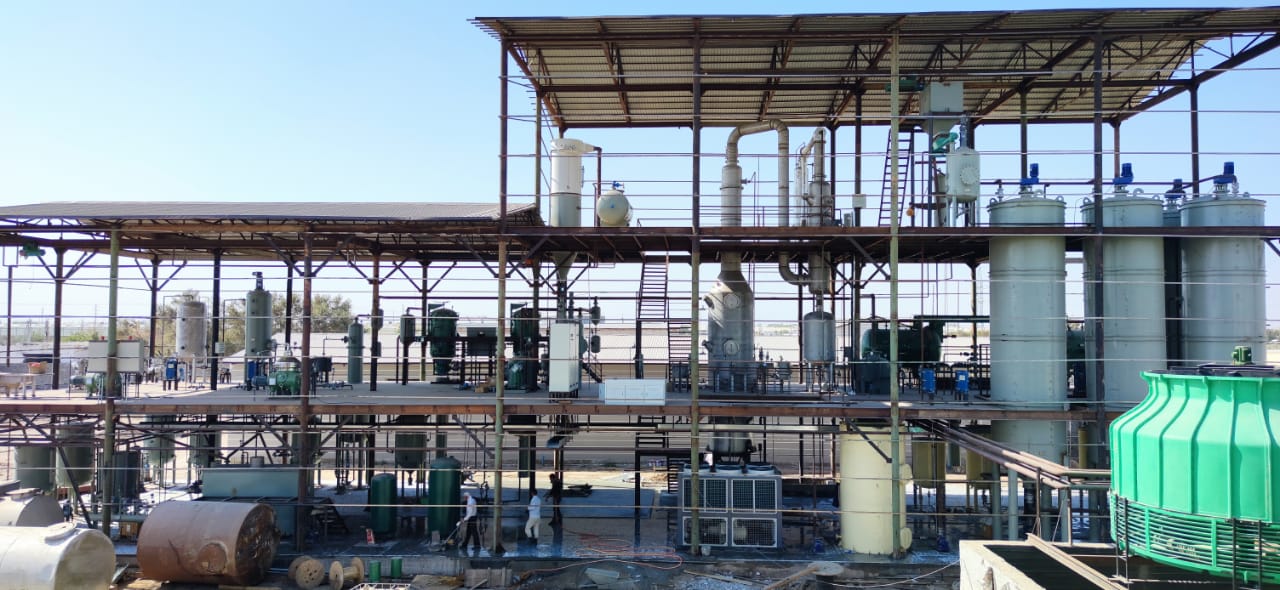
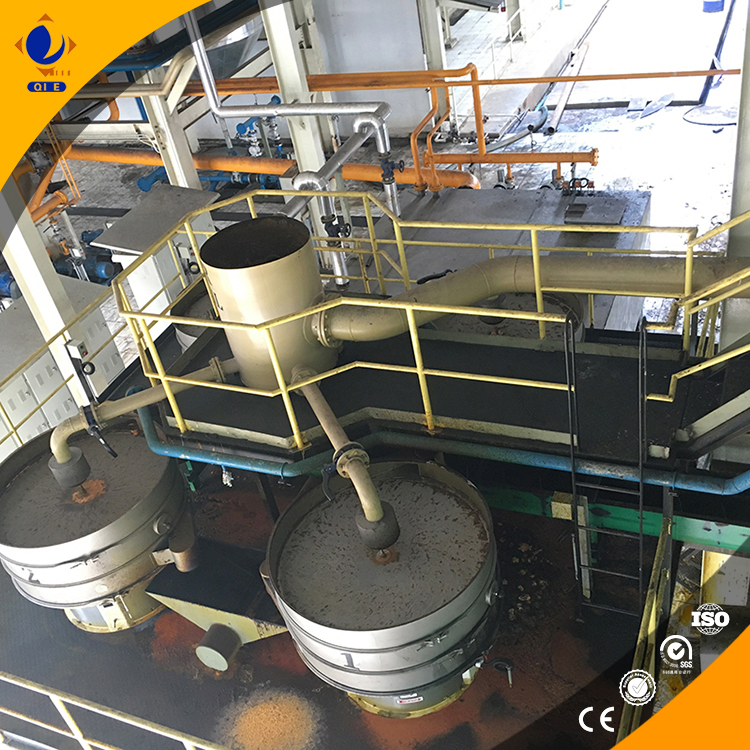
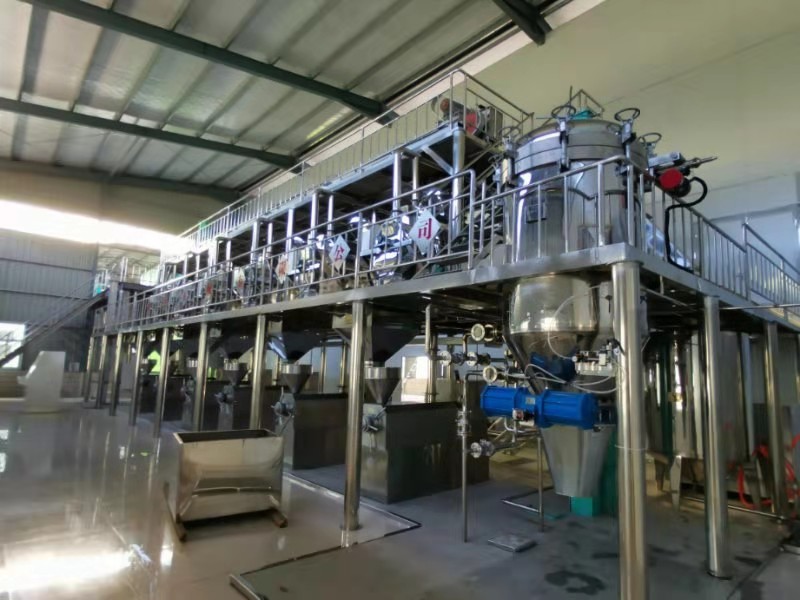
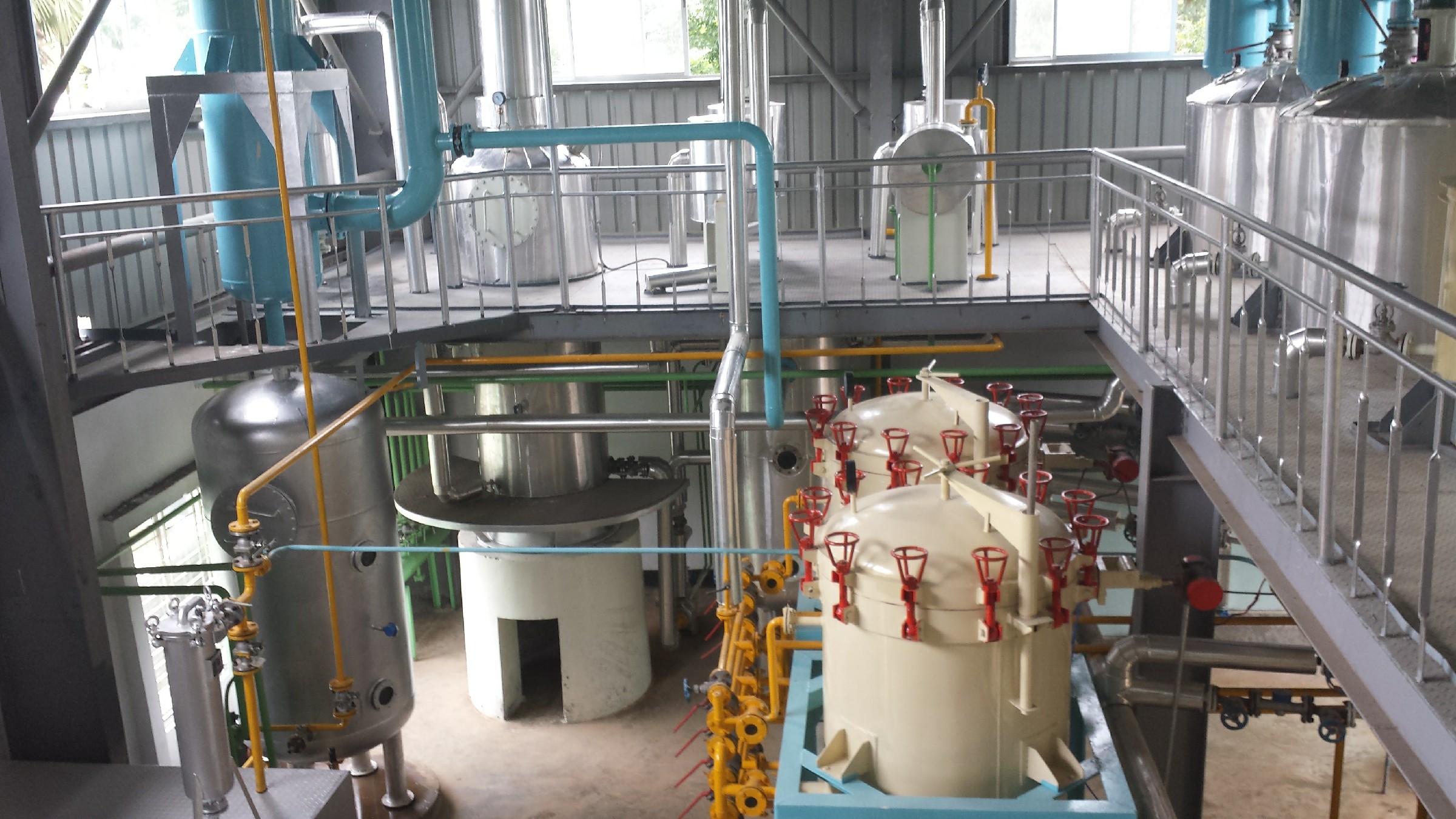
In the oil processing industry, traditional production lines often face challenges such as low efficiency, high energy consumption, and environmental pollution. These issues not only limit the development of enterprises but also do not meet the current requirements of sustainable development. In contrast, modern oil production lines have significant advantages. For example, they can achieve full - process automation from raw material cleaning to refining and packaging, which is a revolutionary improvement for the industry.
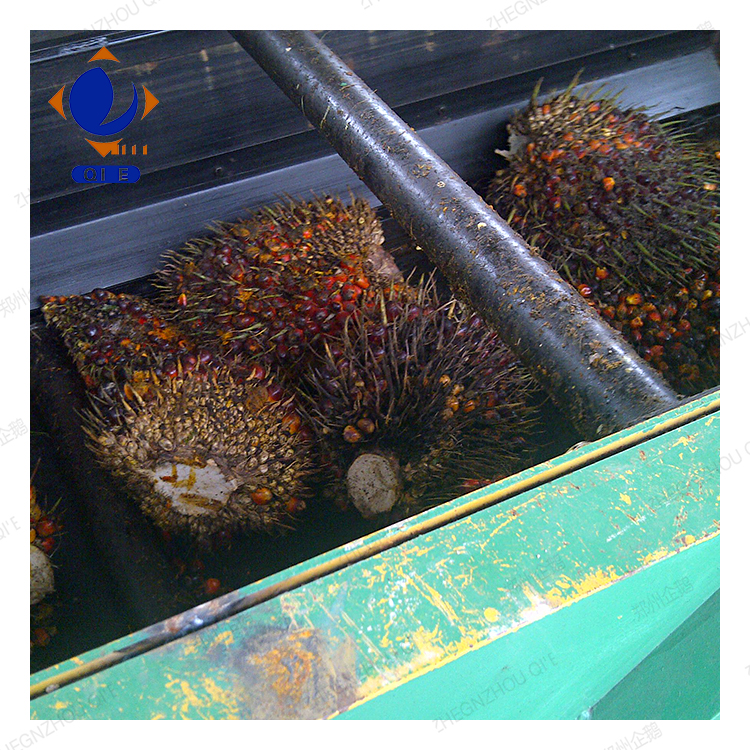
In the successful case, the improvement of desolventizing technology has played a crucial role. By optimizing the desolventizing process, the residual solvent content in the product has been significantly reduced. Compared with the traditional process, the new technology can reduce the solvent residue by about 30%, which not only improves the quality of the product but also reduces potential environmental risks.
The deodorization process is also a key link in oil production. The new deodorization technology in the modern production line can effectively remove unpleasant odors from the oil. It has been found that the new deodorization equipment can improve the odor - removal efficiency by about 25% compared with the traditional process, making the oil product more in line with market demands.
Winterization is used to remove waxes from the oil to improve its clarity and low - temperature stability. In the successful case, the winterization process has been optimized, and the wax - removal efficiency has increased by about 35%. This improvement ensures that the oil product has better performance in various environments.
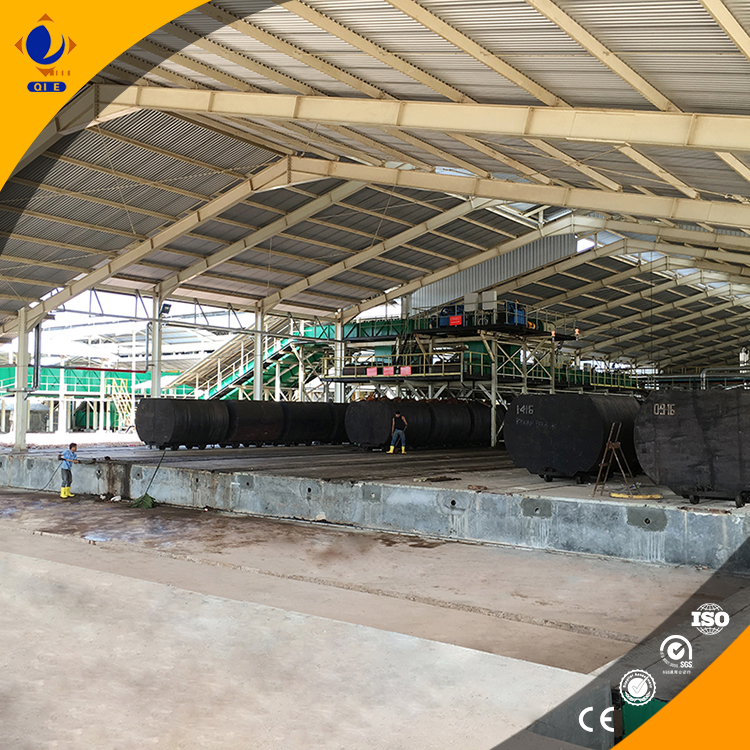
When comparing traditional processes with new equipment, significant differences can be found in terms of energy consumption, output, and environmental indicators. In terms of energy consumption, the new modern oil production line can reduce energy consumption by about 35% compared with the traditional process. This is mainly due to the use of more advanced energy - saving technologies and equipment in the new production line.
In terms of output, the new production line has increased the production capacity by 40%. This is because the full - process automation of the new production line reduces manual intervention and improves the production speed. In addition, in terms of environmental indicators, the new equipment has significantly reduced emissions, making the enterprise more in line with environmental protection standards.
The modern oil production line also has great advantages in the utilization of by - products. For example, the meal produced during the oil - extraction process can be used as high - quality animal feed, which has a high market value. In addition, lecithin, another by - product, can be used in the food, pharmaceutical, and cosmetic industries. By effectively utilizing these by - products, enterprises can increase their comprehensive income by about 20%.
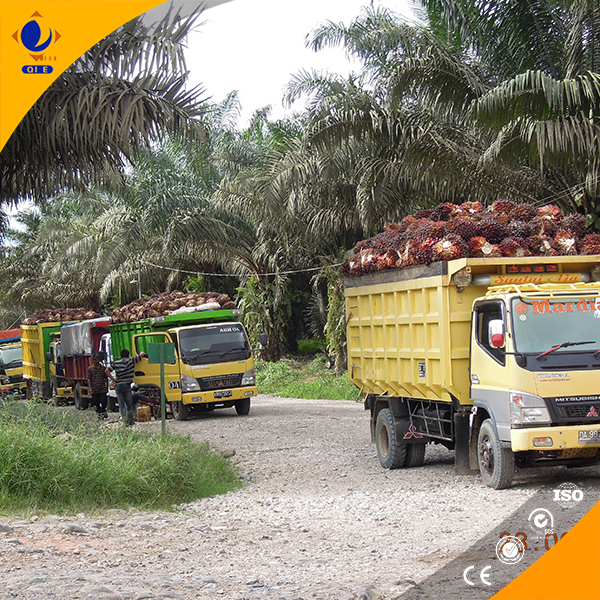
The experience from this successful case can be replicated in small and medium - sized enterprises for upgrading or new projects. For example, enterprises can introduce modern oil production lines according to their own production scale and requirements, and gradually optimize the production process. By learning from the key technical improvements and by - product utilization methods in this case, enterprises can also achieve the dual goals of improving production efficiency and meeting environmental protection standards.
In conclusion, the modern oil production line has shown great potential in improving production efficiency and environmental protection standards. Whether you are a decision - maker or a technical leader in the grain and oil processing industry, you can obtain practical and actionable references from this case. If you want to learn more about how to achieve green transformation and efficiency improvement in your enterprise, click here to get a customized solution.
 156
|
156
|
 Palm Kernel Oil Production Line Equipment
High-Quality Palm Kernel Oil Extraction Equipment
Advanced Palm Kernel Oil Production Line
Customizable Palm Kernel Oil Processing Equipment
Cost-Effective Palm Kernel Oil Production Solutions
Palm Kernel Oil Extractor for Sustainable Production
Efficient Palm Kernel Oil Production Systems
Palm Kernel Oil Processing Technology
Durable Palm Kernel Oil Production Machinery
Palm Kernel Oil Production Line Equipment
High-Quality Palm Kernel Oil Extraction Equipment
Advanced Palm Kernel Oil Production Line
Customizable Palm Kernel Oil Processing Equipment
Cost-Effective Palm Kernel Oil Production Solutions
Palm Kernel Oil Extractor for Sustainable Production
Efficient Palm Kernel Oil Production Systems
Palm Kernel Oil Processing Technology
Durable Palm Kernel Oil Production Machinery
 35
|
Automated peanut oil production line
Peanut oil production increase
Peanut oil production technology
Food safety standards
Production line efficiency
35
|
Automated peanut oil production line
Peanut oil production increase
Peanut oil production technology
Food safety standards
Production line efficiency
 488
|
eco-friendly rice bran oil production line
high-efficiency rice bran oil extraction technology
automated rice bran oil processing solutions
488
|
eco-friendly rice bran oil production line
high-efficiency rice bran oil extraction technology
automated rice bran oil processing solutions
 110
|
soybean oil production process
soybean oil production workflow
key steps in soybean oil production
equipment technology in soybean oil production
soybean oil by-products
110
|
soybean oil production process
soybean oil production workflow
key steps in soybean oil production
equipment technology in soybean oil production
soybean oil by-products
 347
|
rapeseed oil production line
eco-friendly oil processing
efficient edible oil extraction
turnkey oil plant solution
nutrient retention in oil refining
347
|
rapeseed oil production line
eco-friendly oil processing
efficient edible oil extraction
turnkey oil plant solution
nutrient retention in oil refining