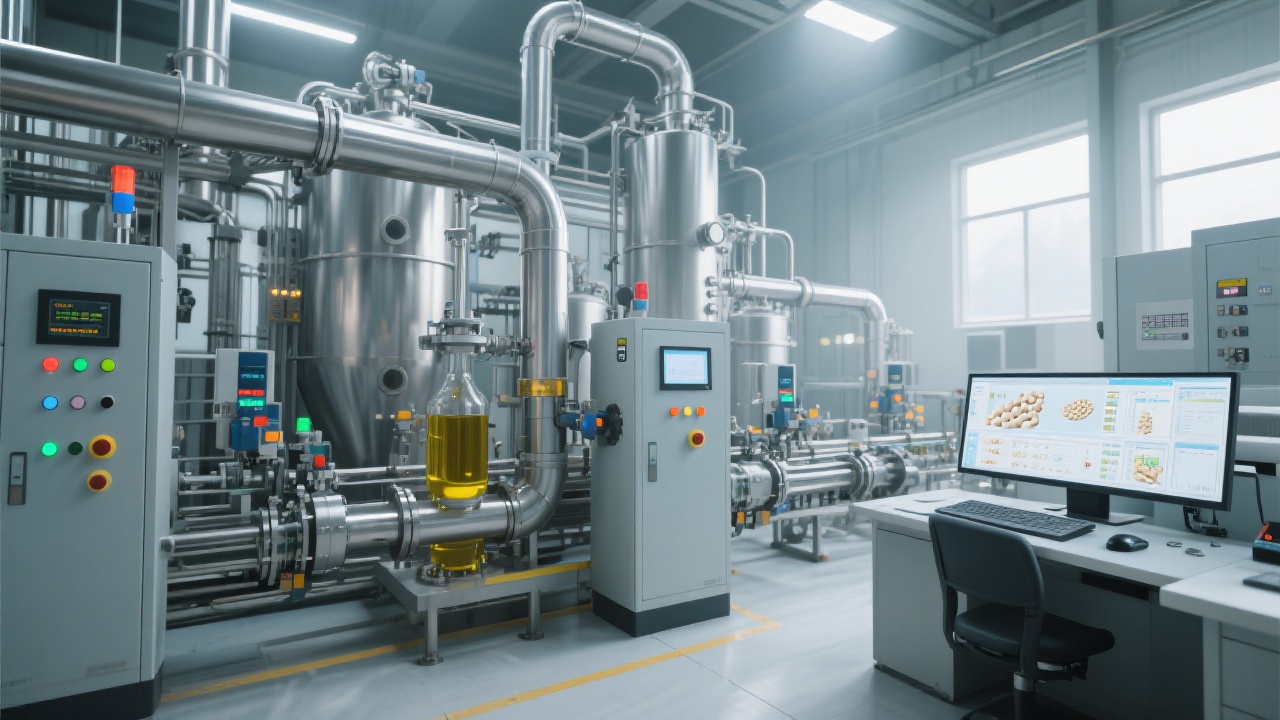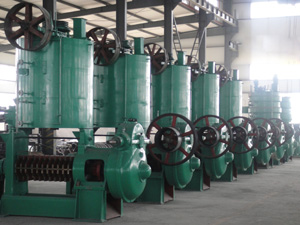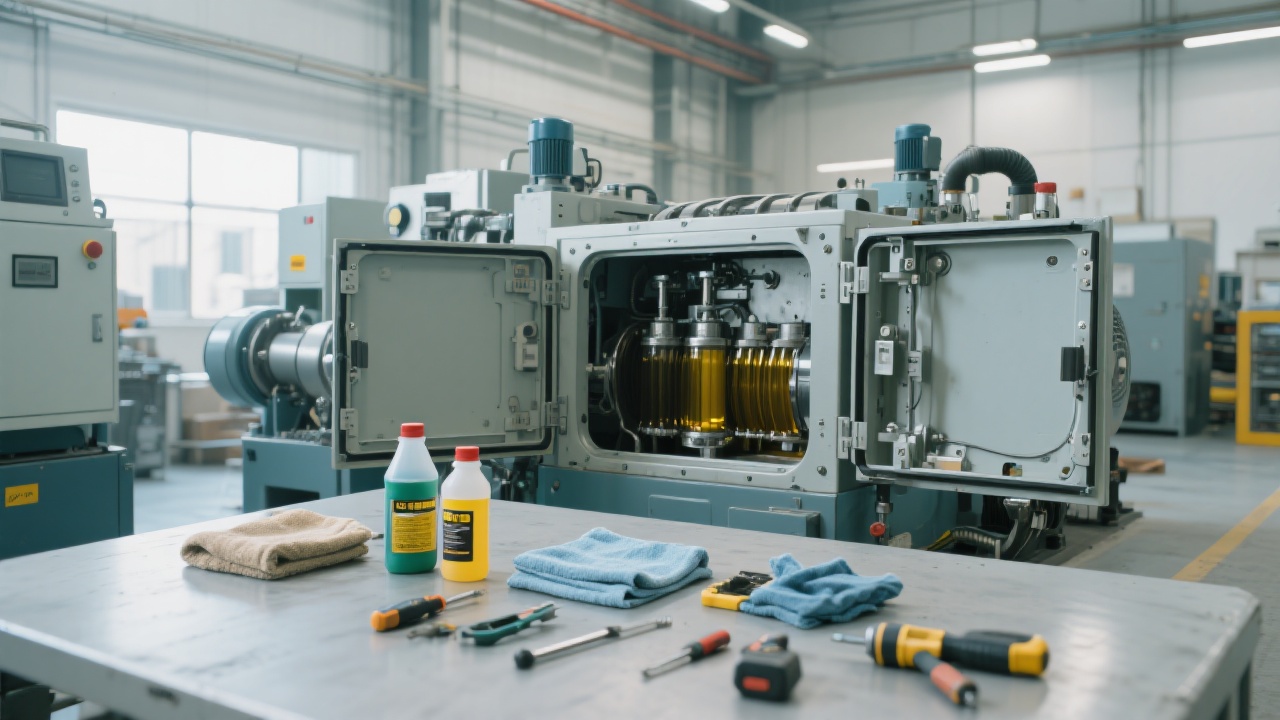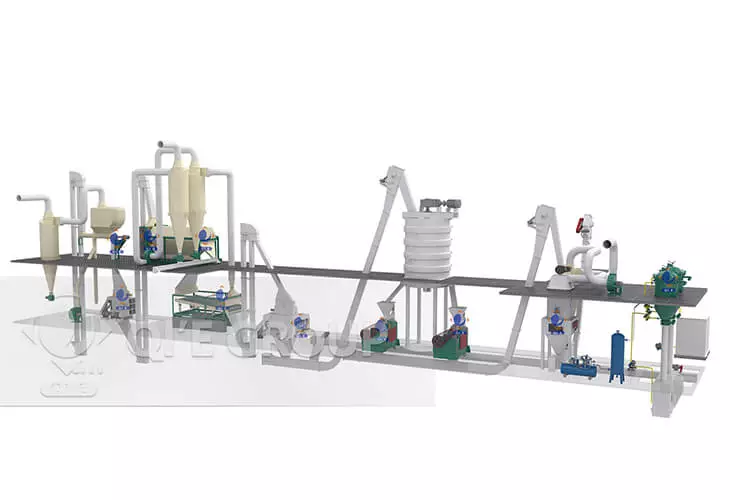
In today’s competitive global market, your oil production line isn’t just a factory—it’s your brand’s promise of quality, consistency, and efficiency. Whether you're targeting Europe, the Middle East, or Southeast Asia, optimizing your process from raw material to final packaging can boost export competitiveness by up to 40%, according to recent industry benchmarks.
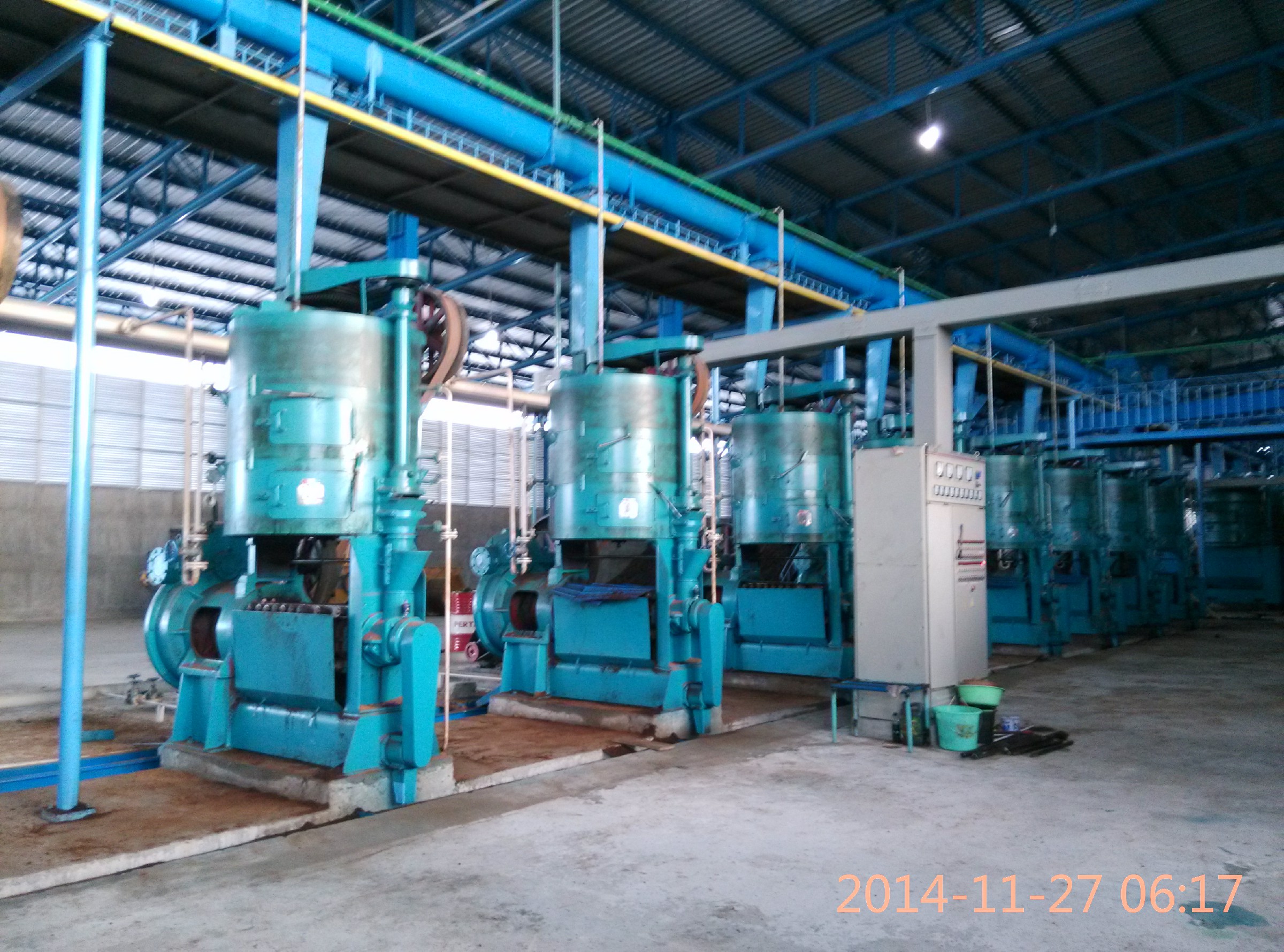
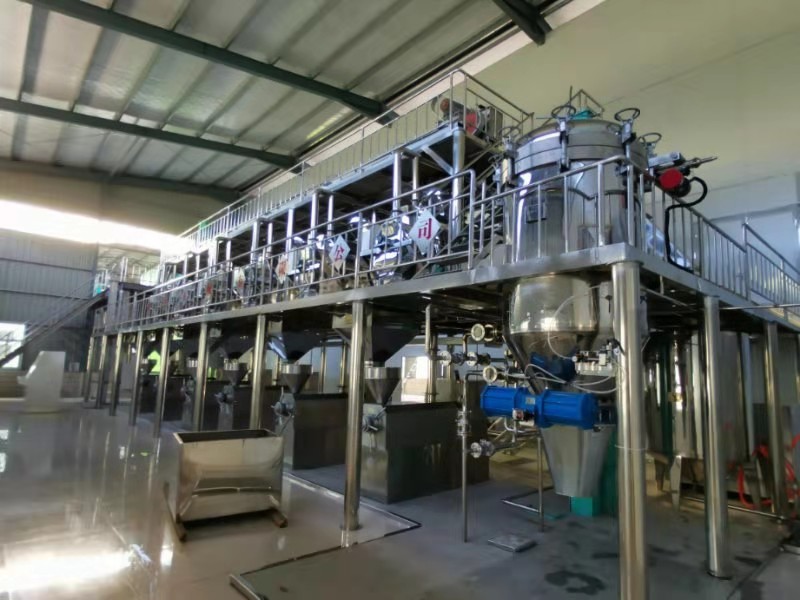
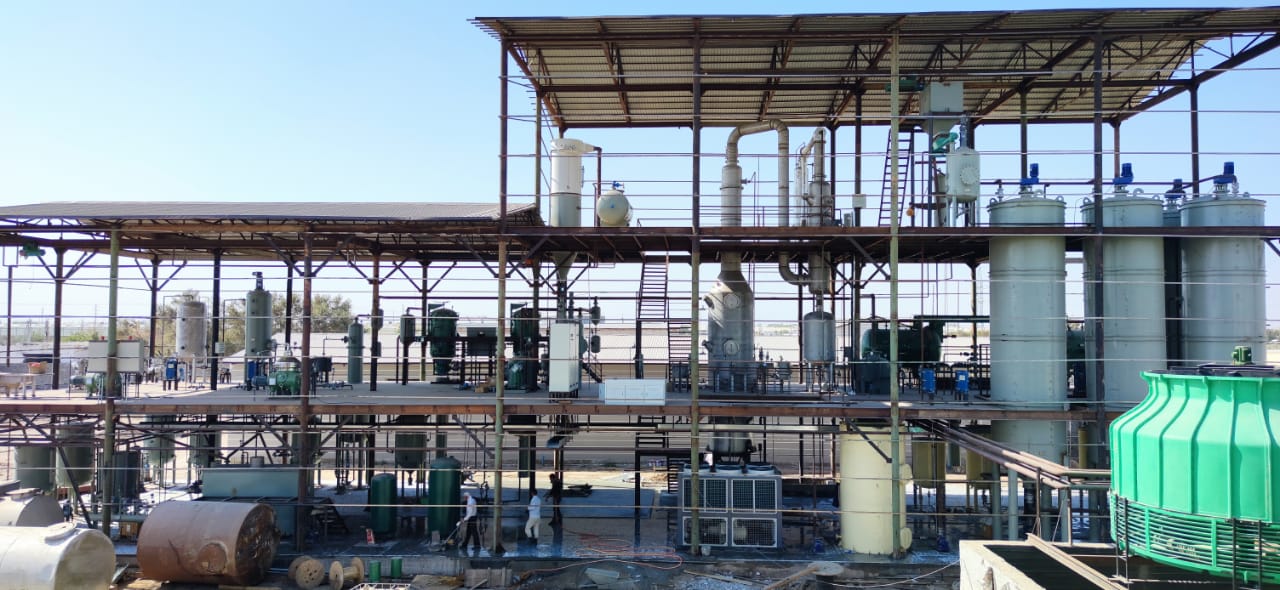
A high-performing oil plant typically includes four key stages:
Traditional setups often rely on manual operations that lead to inconsistent batches, higher energy use (up to 30% more), and greater waste. In contrast, automated lines cut labor costs by 25–40% while improving product uniformity—a major selling point for B2B buyers who demand reliability.
“After upgrading our refining system, we doubled capacity within six months and saw a 30% increase in export orders from Germany and Saudi Arabia.”
—— Ahmed Al-Mansoori, Operations Director, Gulf AgroTech
International buyers increasingly prioritize suppliers who meet ESG criteria. For example:
These features aren’t just "nice-to-haves"—they’re non-negotiables for premium clients. The result? Higher margins, faster order fulfillment, and stronger long-term partnerships.
Don’t overlook byproducts like soybean meal or lecithin—they contribute up to 20% of total revenue when processed properly. In fact, one Vietnamese processor reported a 12% uplift in net profit after integrating a pelletizing unit for animal feed grade meal.
Think globally, act locally: Customize your line based on regional demands—e.g., low-temperature refining for cold-pressed olive oil in Italy, or high-throughput capacity for palm oil in Malaysia.
Ready to turn your oil production into a global asset? Start with a detailed audit of your current setup—and build toward what truly matters: consistent quality, scalable output, and smart resource use. Because in B2B trade, export competitiveness = process + standards + speed.

 104
|
104
|
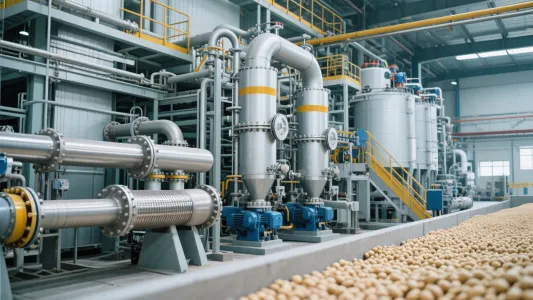
 seed pretreatment line for vegetable oil production
efficient oilseed processing technology
high-yield oil extraction equipment
seed pretreatment line for vegetable oil production
efficient oilseed processing technology
high-yield oil extraction equipment
 232
|
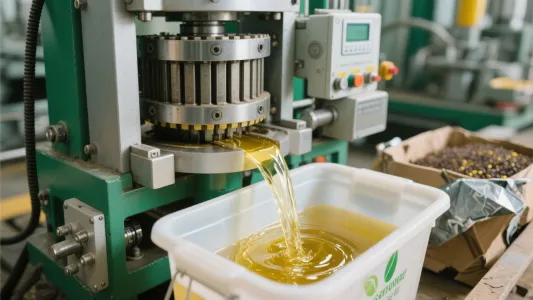
advanced coconut oil production line
eco-friendly oil pressing equipment
high-efficiency coconut oil processing
green manufacturing solutions
coconut oil refining technology
232
|
advanced coconut oil production line
eco-friendly oil pressing equipment
high-efficiency coconut oil processing
green manufacturing solutions
coconut oil refining technology
 158
|
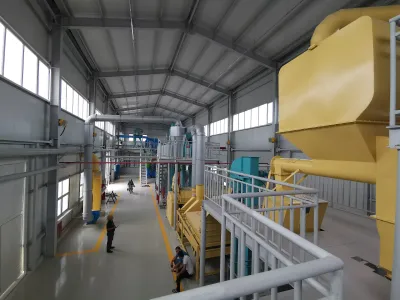
["coconut oil production line"
"eco-friendly oil extraction technology"
"green manufacturing solutions"
"efficient oil processing equipment"
"sustainable coconut oil production"]
158
|
["coconut oil production line"
"eco-friendly oil extraction technology"
"green manufacturing solutions"
"efficient oil processing equipment"
"sustainable coconut oil production"]
 476
|
Corn Germ Oil Production Line
Oil Production Line
Efficient Corn Germ Oil Production
Eco-Friendly Oil Extraction
High Quality Corn Oil Production
Automated Oil Production Systems
Versatile Oil Processing Equipment
Energy Saving Oil Production
Corn Germ Processing Solutions
Reliable Oil Production Technology
476
|
Corn Germ Oil Production Line
Oil Production Line
Efficient Corn Germ Oil Production
Eco-Friendly Oil Extraction
High Quality Corn Oil Production
Automated Oil Production Systems
Versatile Oil Processing Equipment
Energy Saving Oil Production
Corn Germ Processing Solutions
Reliable Oil Production Technology
 107
|
oilseed processing equipment customization
scalable oilseed pre-treatment solutions
versatile oilseed extraction systems
107
|
oilseed processing equipment customization
scalable oilseed pre-treatment solutions
versatile oilseed extraction systems