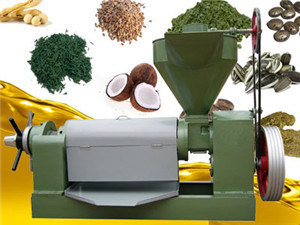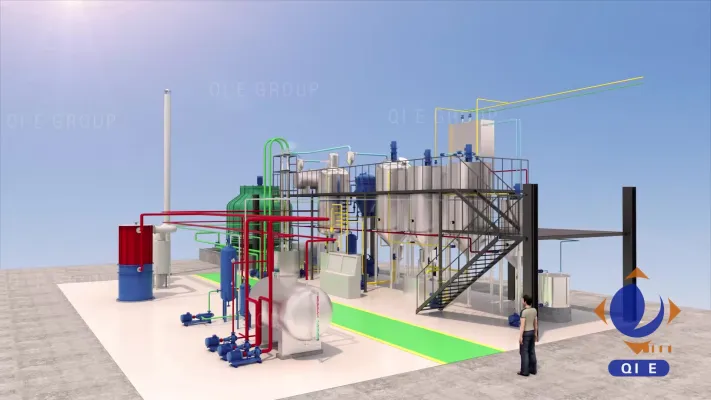
In today’s competitive global oil refining market, businesses are under constant pressure to reduce costs while improving yield and sustainability. A recent industry analysis by the International Energy Agency (IEA) shows that companies using modern automated oil production lines report up to 40% higher output efficiency compared to those relying on legacy systems — with a clear ROI within 12–18 months.
Traditional oil processing equipment often depends on manual oversight, leading to inconsistent quality, higher downtime, and energy waste. In contrast, modern systems integrate PLC-controlled automation, real-time monitoring, and predictive maintenance — reducing labor costs by an average of 35% and increasing uptime to over 95%.
For example, a mid-sized refinery in Malaysia upgraded its crude distillation unit from a 1990s model to a fully digitalized system. Within six months, they achieved a 28% increase in daily throughput, reduced emissions by 22%, and cut utility expenses by nearly $150,000 annually — all without expanding floor space or hiring additional staff.
While initial capital for modernization may seem high, the long-term savings are substantial. According to McKinsey & Company, oil producers who adopted smart automation saw a 17–23% reduction in operating costs over five years — primarily through optimized feedstock usage, fewer process errors, and lower compliance penalties.
Moreover, newer technologies like AI-driven blending algorithms and IoT-enabled sensors allow for precision control at every stage — ensuring consistent product specs across batches, which is critical for B2B clients in automotive lubricants, industrial oils, and petrochemicals.
Regulatory pressure is intensifying globally — especially in EU, North America, and Southeast Asia — where environmental standards are now tied to import licenses and export eligibility. Modern oil lines incorporate closed-loop cooling systems, low-emission combustion tech, and waste heat recovery modules, making them not just compliant but future-proof.
One European OEM reported that after switching to an eco-friendly oil production line, their client base expanded by 30% among green-certified buyers — proving that sustainability isn’t just ethical, it’s profitable.
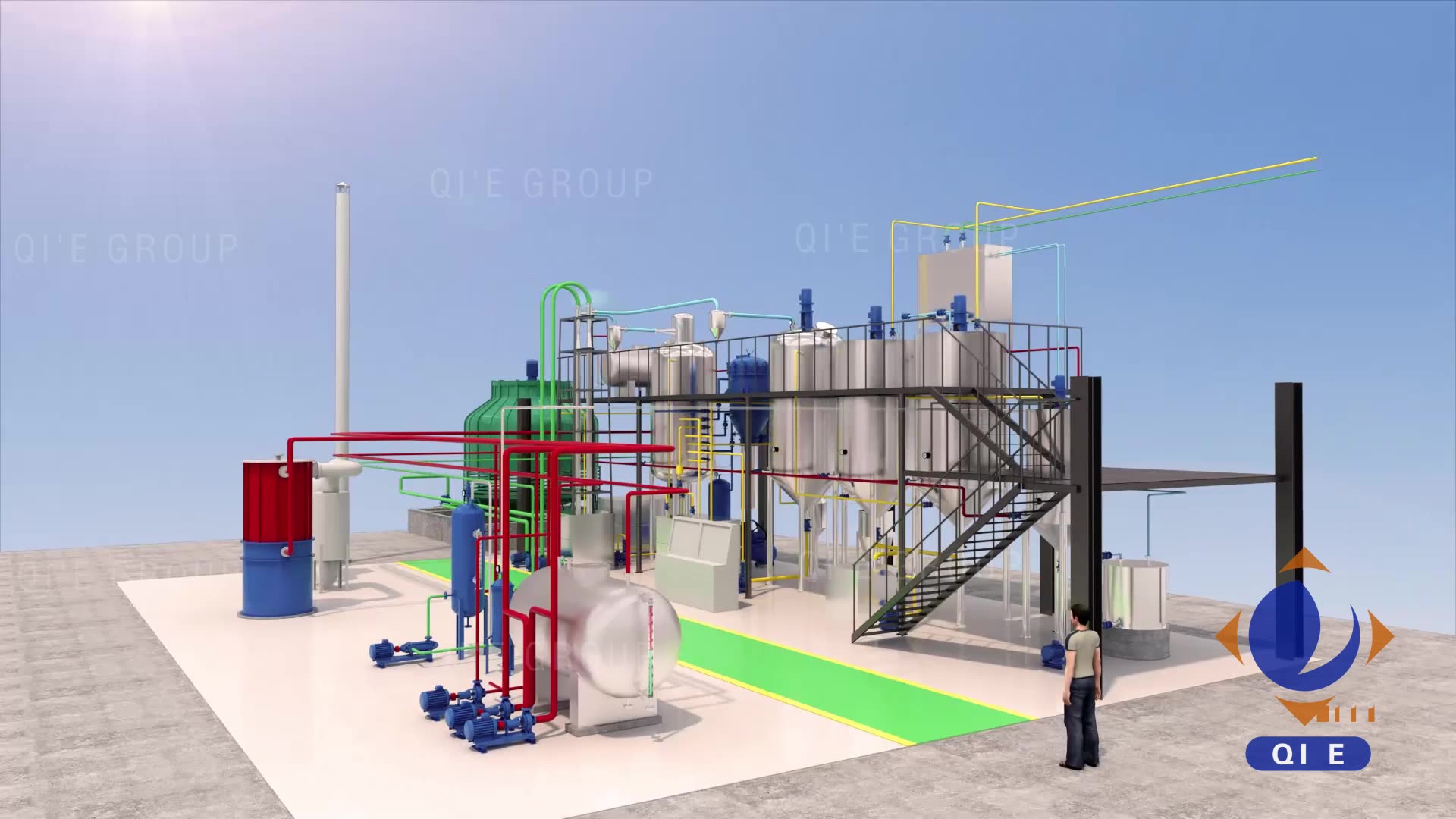
When evaluating new equipment, decision-makers prioritize three things: reliability (uptime > 90%), scalability (easy integration with existing infrastructure), and support ecosystem (local service teams, remote diagnostics, training). Companies offering modular designs and cloud-based performance dashboards score highest in RFP responses.
Our clients tell us: “We don’t want another machine — we want a partner that helps us grow smarter.” That’s why we focus on total lifecycle value, not just hardware specs.
Discover how our automated oil production solutions helped a client in Saudi Arabia boost output by 35% while cutting CO₂ emissions — and how you can do the same.
Get Your Free Technical Assessment Now
 370
|
370
|
 Fully Automatic Rapeseed Oil Production Line
Rapeseed Oil Refining Equipment
B2B Rapeseed Oil Production Solutions
High-Quality Rapeseed Oil Extraction
Eco-Friendly Rapeseed Oil Production Line
Low Energy Consumption Rapeseed Oil Equipment
Customizable Rapeseed Oil Processing Line
Durable Rapeseed Oil Production Machinery
Integrated Rapeseed Oil Production Systems
Fully Automatic Rapeseed Oil Production Line
Rapeseed Oil Refining Equipment
B2B Rapeseed Oil Production Solutions
High-Quality Rapeseed Oil Extraction
Eco-Friendly Rapeseed Oil Production Line
Low Energy Consumption Rapeseed Oil Equipment
Customizable Rapeseed Oil Processing Line
Durable Rapeseed Oil Production Machinery
Integrated Rapeseed Oil Production Systems
 175
|
corn germ oil production line
modular design for edible oil equipment
efficient oil processing system
sustainable food manufacturing
粮油加工设备
175
|
corn germ oil production line
modular design for edible oil equipment
efficient oil processing system
sustainable food manufacturing
粮油加工设备
 56
|
Sesame Oil Production Line
Automatic Sesame Oil Production Line
High-Efficiency Sesame Oil Processing Equipment
Energy-Saving Sesame Oil Production System
Durable Sesame Oil Extraction Machinery
Customized Sesame Oil Production Solutions
Advanced Sesame Oil Filtering Technology
Sesame Oil Production for Food Processing
Nutritional Sesame Oil Production Line
Large Scale Sesame Oil Processing Equipment
56
|
Sesame Oil Production Line
Automatic Sesame Oil Production Line
High-Efficiency Sesame Oil Processing Equipment
Energy-Saving Sesame Oil Production System
Durable Sesame Oil Extraction Machinery
Customized Sesame Oil Production Solutions
Advanced Sesame Oil Filtering Technology
Sesame Oil Production for Food Processing
Nutritional Sesame Oil Production Line
Large Scale Sesame Oil Processing Equipment
 55
|
Palm Oil Production Line Equipment
High-Purity Palm Oil Extraction Equipment
Advanced Palm Oil Processing Equipment
55
|
Palm Oil Production Line Equipment
High-Purity Palm Oil Extraction Equipment
Advanced Palm Oil Processing Equipment
 61
|
oilseed processing solutions
customized seed preprocessing equipment
technical support for plant oil production
61
|
oilseed processing solutions
customized seed preprocessing equipment
technical support for plant oil production