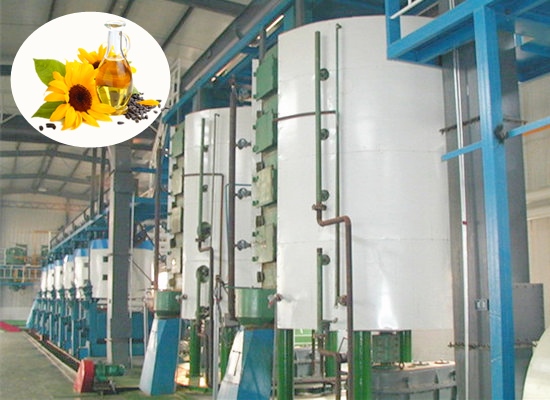
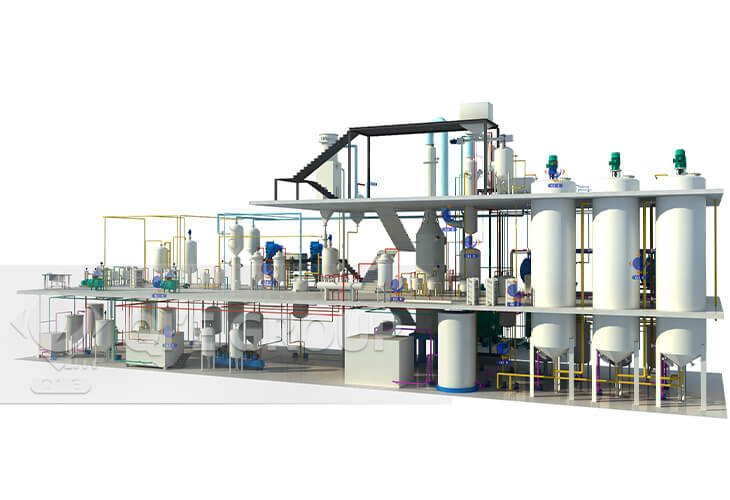
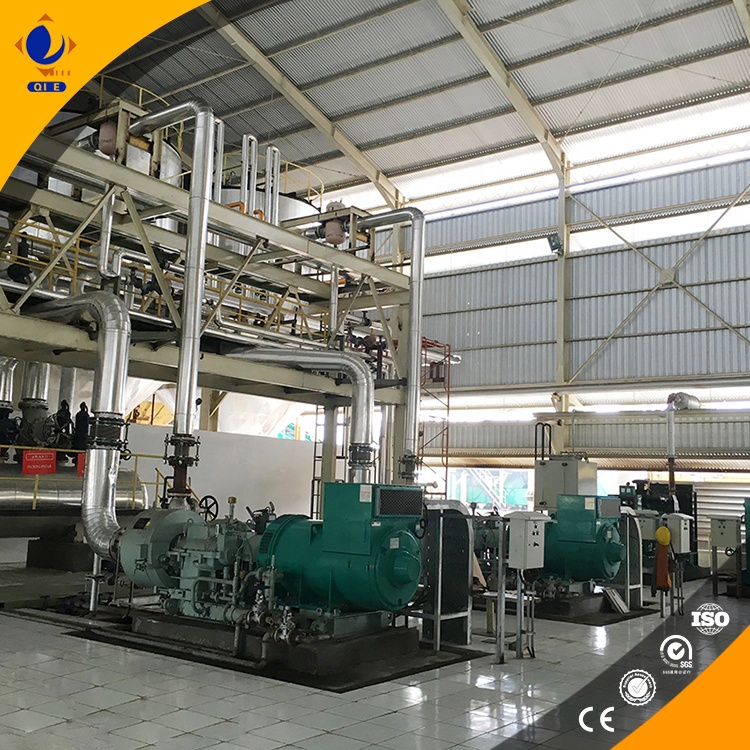
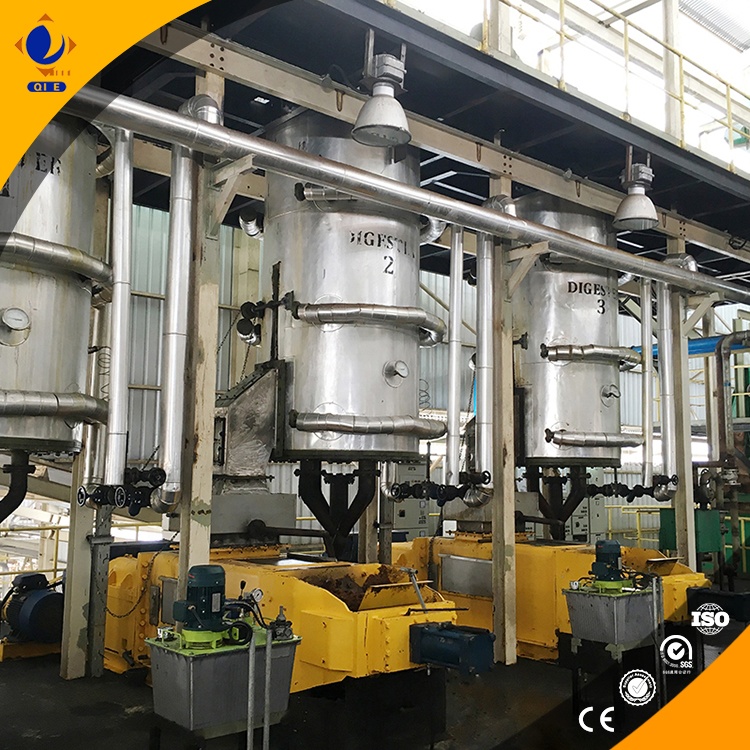
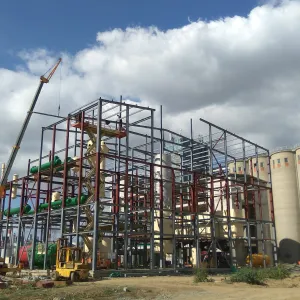
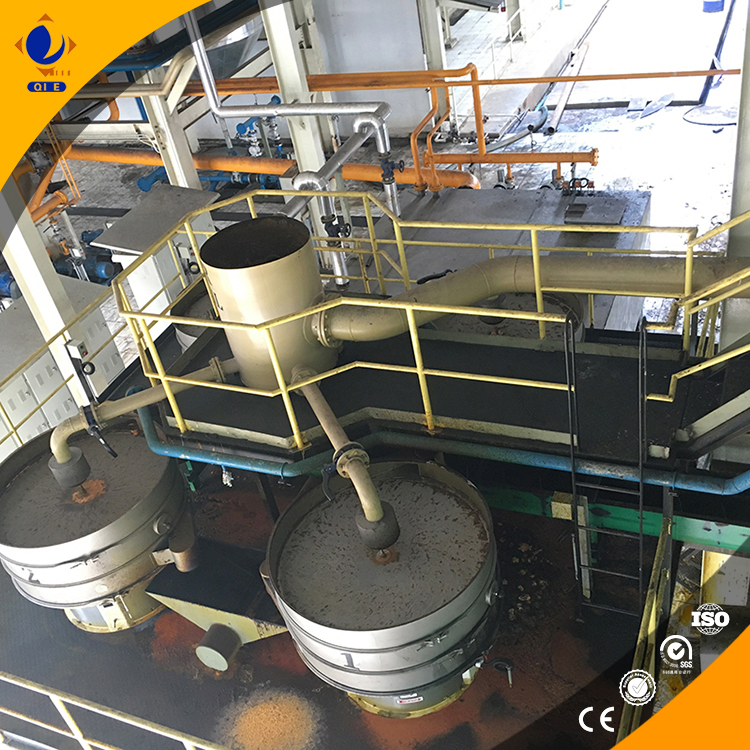
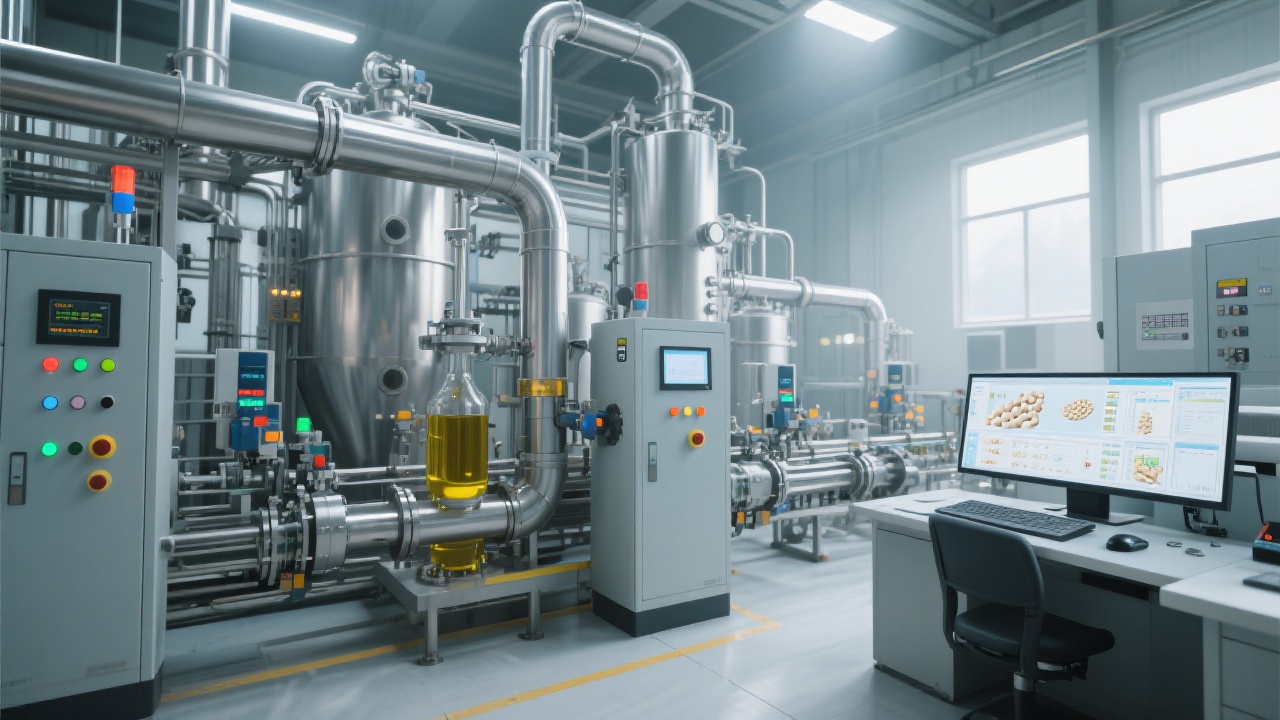
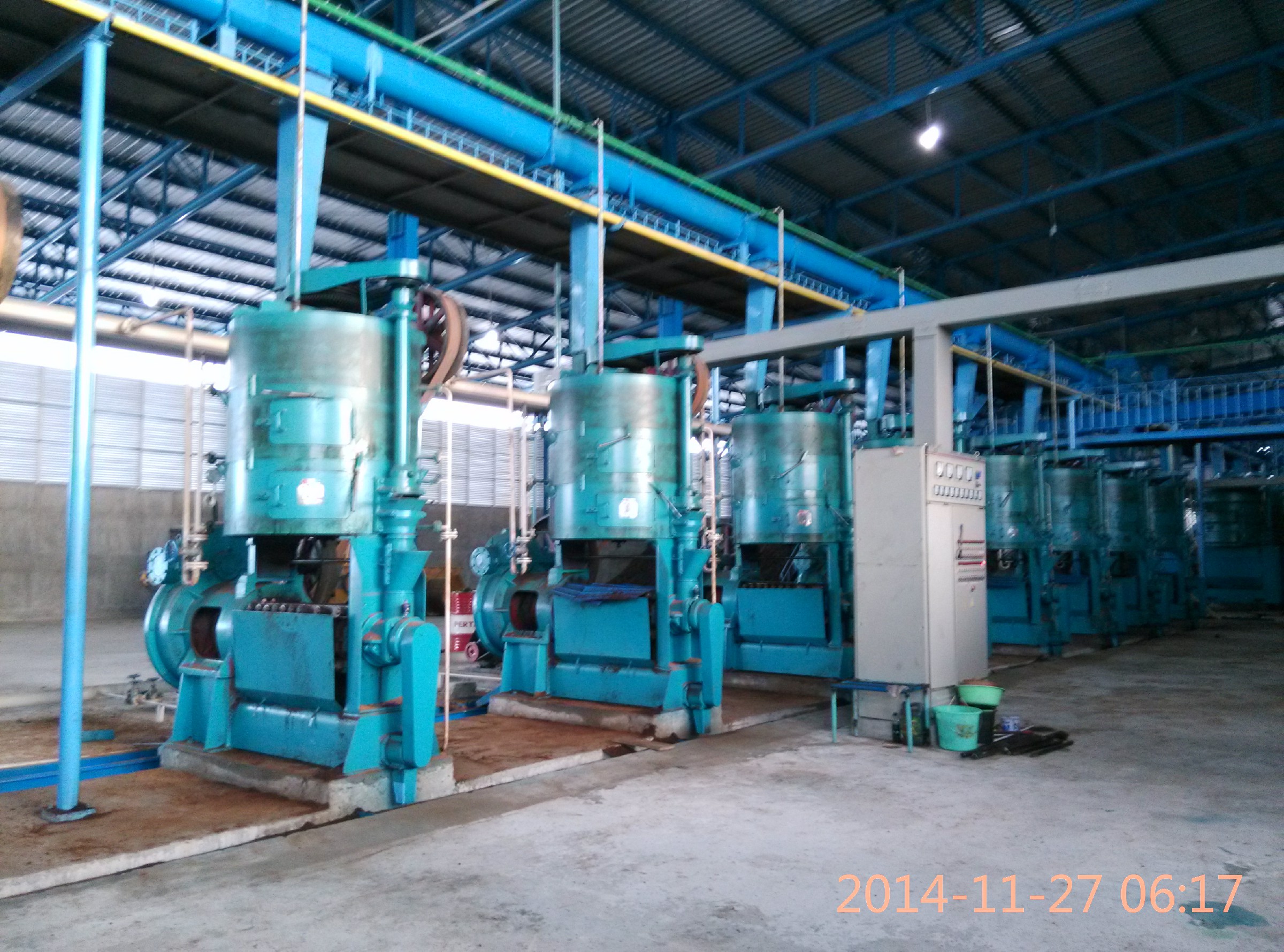
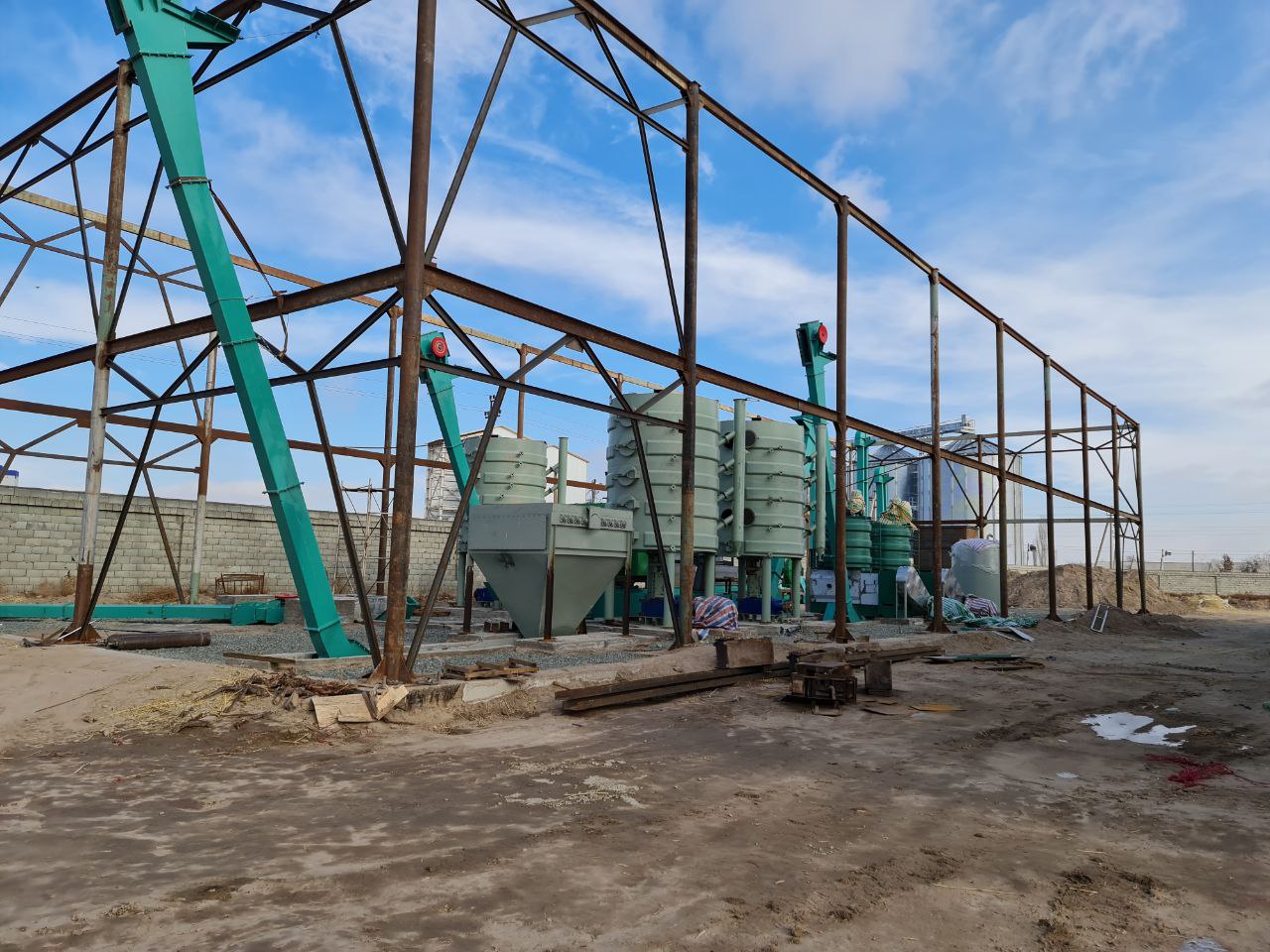
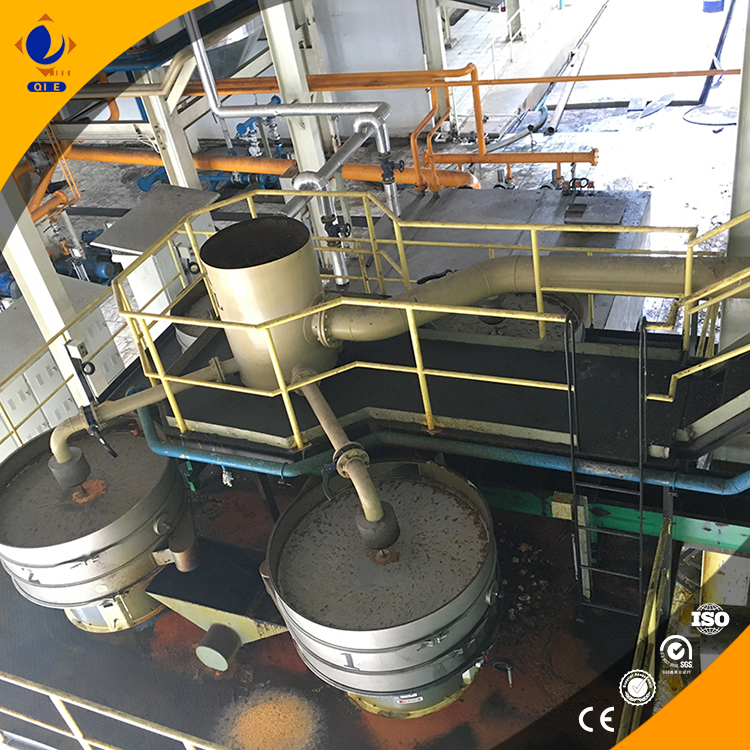
In today's highly competitive oil production industry, modernization and automation have become the key to achieving higher efficiency, better quality, and environmental sustainability. This article provides a comprehensive analysis of the overall process and core technologies of modern oil production lines, with a focus on how automation technology is applied at each stage to boost capacity and quality.
The modern oil production line consists of several critical stages, including raw material processing, crushing and shelling, extraction and refining, and packaging. In the raw material processing stage, automation technology can accurately measure and mix different raw materials, reducing human errors. For example, automated conveyor systems can transport raw materials to the next stage precisely, increasing the efficiency by up to 30% compared to manual operations. According to industry statistics, automation in this stage can save up to 20% of labor costs.

During the crushing and shelling process, advanced sensors and control systems can adjust the crushing force according to the characteristics of different raw materials. This not only improves the oil extraction rate but also ensures the quality of the final product. Automation in this stage can increase the oil extraction rate by 5 - 8% compared to traditional methods.
In the extraction and refining stage, automation technology plays a crucial role in maintaining the stability of the refining process. Automated control systems can monitor and adjust parameters such as temperature, pressure, and chemical additives in real - time, ensuring the quality and purity of the oil. By using automation, the refining time can be reduced by 15 - 20%, and the quality of the oil can meet international standards more consistently.
Finally, in the packaging stage, automated packaging machines can quickly and accurately package the oil, reducing the risk of contamination and improving the overall appearance of the product. Automation in packaging can increase the packaging speed by 40 - 50%, meeting the high - volume market demand.
When comparing modern automated production lines with traditional production processes, the differences are significant. Traditional production processes rely heavily on manual labor, which is not only inefficient but also prone to human errors. In contrast, modern automated production lines can operate 24/7 with high precision. For instance, a traditional oil production line may require 50 - 60 workers per shift, while an automated line can achieve the same production volume with only 10 - 15 workers.
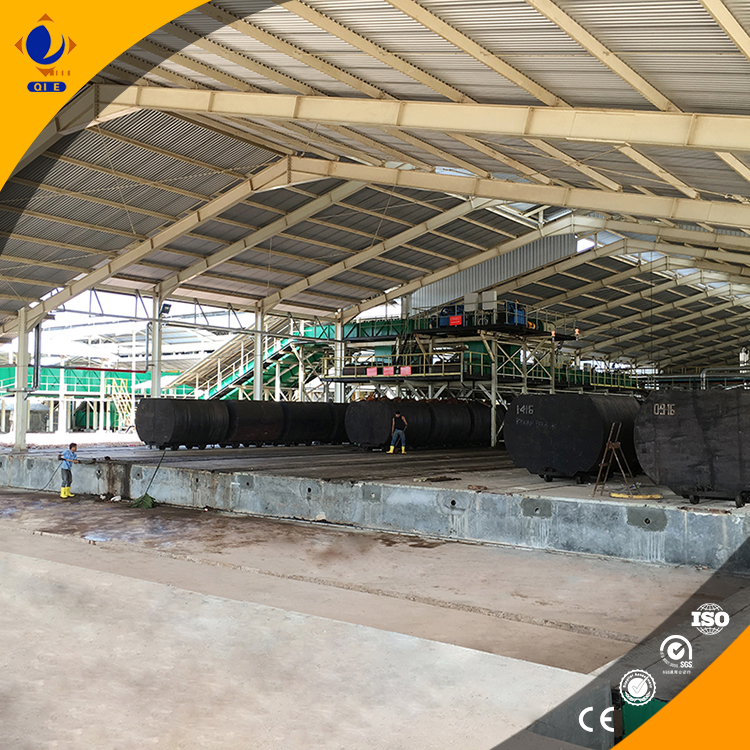
Moreover, automated production lines are more environmentally friendly. They can reduce energy consumption by up to 30% through optimized control systems and more efficient equipment. For example, advanced filtration systems in automated lines can recycle and reuse waste materials, reducing environmental pollution.
Many companies in the oil production industry have successfully implemented automation technology. For example, Company X replaced its traditional production line with a modern automated one. After the implementation, the company's production capacity increased by 50%, and the product defect rate decreased from 5% to 1%. The market feedback was also positive, with an increase in customer satisfaction and market share.
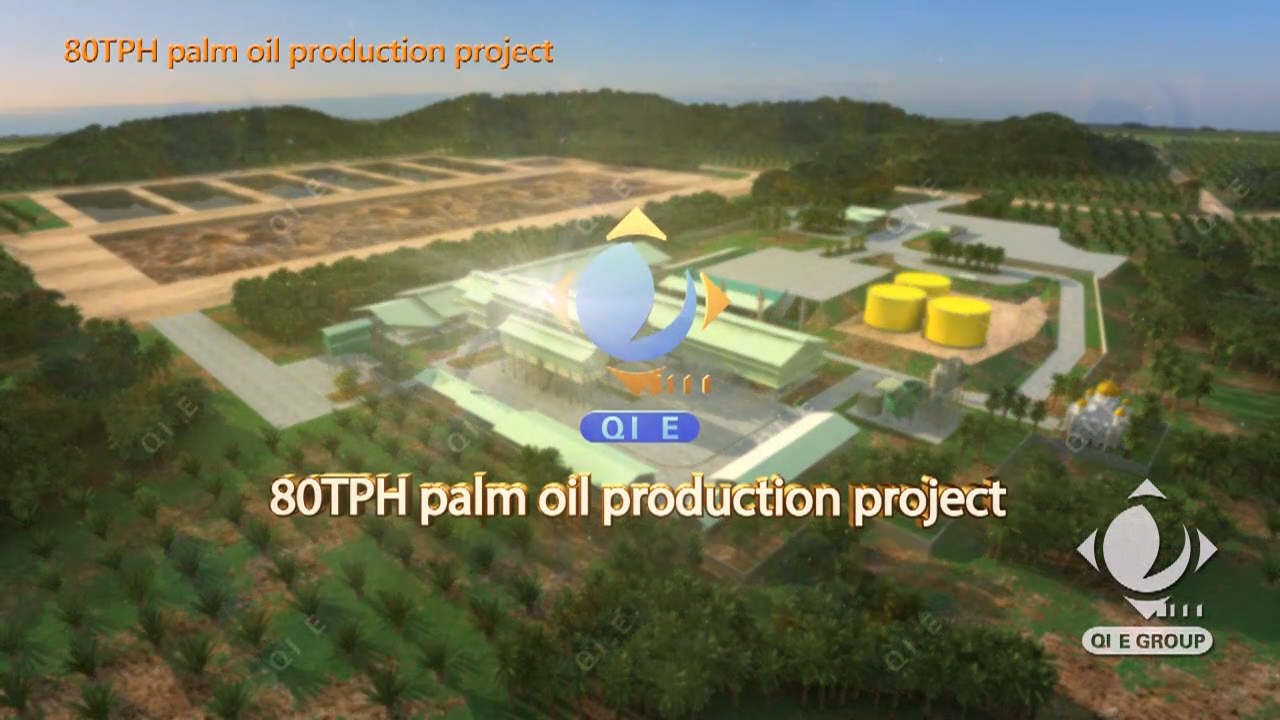
From a marketing perspective, automated oil production lines can offer unique selling points. Products produced by automated lines are often perceived as higher - quality and more reliable, which can attract more customers. In addition, the environmental sustainability of automated production lines can meet the growing demand for green products in the market.
From an industry development perspective, the adoption of automation technology can help companies stay competitive in the long run. As labor costs continue to rise and environmental regulations become more stringent, automated production lines can provide a cost - effective and sustainable solution.
In conclusion, modern automated oil production lines offer significant advantages in terms of efficiency, quality, and environmental sustainability. By choosing modern equipment, companies can not only increase their production capacity but also gain a competitive edge in the market. Don't miss out on this opportunity to drive your business growth! Explore our modern oil production lines now!

 184
|
184
|
 palm oil production line innovation
environmental protection and cost efficiency win-win
customized production line
energy-efficient production line
palm oil production line case study
palm oil production line innovation
environmental protection and cost efficiency win-win
customized production line
energy-efficient production line
palm oil production line case study
 398
|
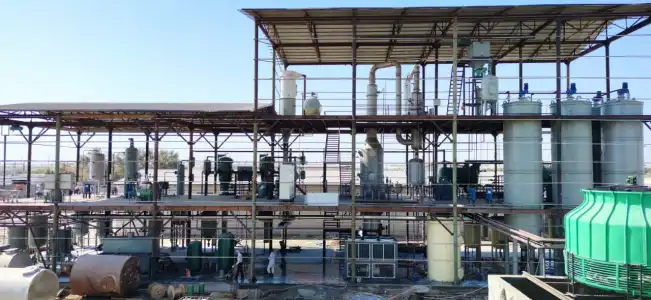
Cottonseed Oil Production Line
Cottonseed Oil Processing Equipment
Automated Cottonseed Oil Production
High Efficiency Cottonseed Oil Extraction
Durable Cottonseed Oil Manufacturing
Energy Saving Cottonseed Oil Line
Customizable Cottonseed Oil Production
Advanced Cottonseed Oil Refining Technology
Cottonseed Oil Production Solutions
Reliable Cottonseed Oil Processing Plant
398
|
Cottonseed Oil Production Line
Cottonseed Oil Processing Equipment
Automated Cottonseed Oil Production
High Efficiency Cottonseed Oil Extraction
Durable Cottonseed Oil Manufacturing
Energy Saving Cottonseed Oil Line
Customizable Cottonseed Oil Production
Advanced Cottonseed Oil Refining Technology
Cottonseed Oil Production Solutions
Reliable Cottonseed Oil Processing Plant
 156
|
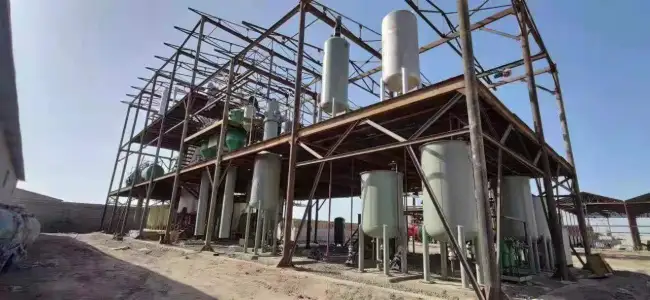
Sunflower Oil Automatic Production Line
Automated Sunflower Oil Production
Sunflower Oil Processing Equipment
Efficient Oil Production Line
Quality Sunflower Oil Production System
Advanced Oil Extraction Equipment
Durable Sunflower Oil Production Machinery
Energy Saving Oil Production Line
High Quality Sunflower Oil Production
Comprehensive Oil Processing Solutions
156
|
Sunflower Oil Automatic Production Line
Automated Sunflower Oil Production
Sunflower Oil Processing Equipment
Efficient Oil Production Line
Quality Sunflower Oil Production System
Advanced Oil Extraction Equipment
Durable Sunflower Oil Production Machinery
Energy Saving Oil Production Line
High Quality Sunflower Oil Production
Comprehensive Oil Processing Solutions
 157
|
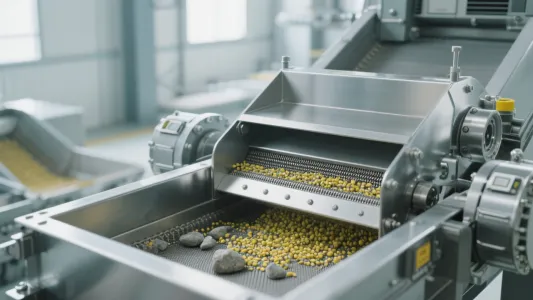
cottonseed oil production line
eco-friendly oil processing equipment
high-efficiency oil extraction technology
oil refining process optimization
industrial cottonseed oil solutions
157
|
cottonseed oil production line
eco-friendly oil processing equipment
high-efficiency oil extraction technology
oil refining process optimization
industrial cottonseed oil solutions
 316
|
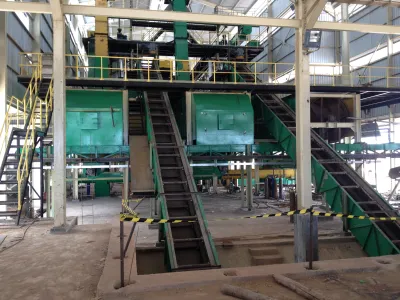
Palm Oil Production Line
High Automation Palm Oil Production Line
Energy Saving Palm Oil Production Line
Advanced Technology Palm Oil Production Line
Flexible Palm Oil Production Line
Palm Oil Production Line for Food Industry
Palm Oil Production Line for Cosmetics
Palm Oil Production Line for Detergents
316
|
Palm Oil Production Line
High Automation Palm Oil Production Line
Energy Saving Palm Oil Production Line
Advanced Technology Palm Oil Production Line
Flexible Palm Oil Production Line
Palm Oil Production Line for Food Industry
Palm Oil Production Line for Cosmetics
Palm Oil Production Line for Detergents