As global demand for efficient and sustainable soybean oil production surges, selecting the right equipment adhering to international standards has never been more critical. This article explores the key criteria manufacturers and buyers should consider when investing in cutting-edge soybean oil production lines equipped with advanced automation and intelligent control systems.
Modern soybean oil production equipment encompasses the entire workflow—from soybean cleaning, crushing, pressing, extraction, to refining—ensuring optimal output at every stage. Key technologies include state-of-the-art automatic cleaning units that remove impurities with efficiency rates exceeding 98%, and high-pressure screw presses increasing oil yield by up to 3% compared to traditional methods.
Intelligent control systems integrate real-time monitoring and adjustment capabilities, allowing continuous optimization of parameters like temperature, pressure, and extraction time. This precision reduces energy consumption by approximately 15-20%, aligning with global sustainability trends.
Automation eliminates sampling errors and manual handling delays. For example, PLC (Programmable Logic Controller) systems paired with SCADA (Supervisory Control And Data Acquisition) interfaces provide centralized process control with user-friendly dashboards. This automation can improve hourly production capacity by 10-25%, depending on equipment scale, and maintain batch-to-batch product consistency required by demanding export markets.

Selecting soybeans with low moisture and impurity content is fundamental. Leading equipment features precision sorting technologies reducing foreign material presence to less than 0.2%, thus protecting downstream machinery and improving oil quality.
Process optimization through staged extraction and modular refining units can raise oil purity levels above 99.5%, meeting international food safety standards such as Codex Alimentarius and ISO 22000.
Notably, integrating energy-efficient motors and heat recovery systems reduces operational costs by an estimated 10-18%. Such improvements ensure competitiveness amid rising energy prices while upholding environmental compliance.
| Critical Indicator | Industry Benchmark | Customer Benefit |
|---|---|---|
| Oil Yield Rate | ≥ 19.5% | Maximizes profits per ton of soybean |
| Energy Consumption | ≤ 300 kWh/ton oil | Lowers production costs, improves sustainability |
| Impurity Removal Rate | ≥ 98% | Protects equipment, ensures oil quality |
| Automation Level | Full line PLC + SCADA control | Reduces labor, improves repeatability |
The contemporary soybean oil equipment design emphasizes modularity, enabling adjustments for small, medium, and large-scale production capacities ranging from 5 to 50 tons/day. This flexibility supports product diversification, including cold-pressed, refined, and specialty oil products catering to different market segments and end-user requirements.
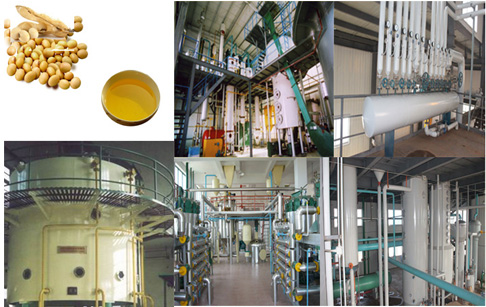
Leading manufacturers report that customers adopting equipment aligned with international standards experience a 15-22% increase in operational efficiency within the first 6 months. One case demonstrated a 12% reduction in waste byproducts due to optimized pressing techniques.
Additionally, compliance with regulations such as EU’s REACH and EPA emissions guidelines ensures seamless market entry and reduces risks associated with import restrictions.
When investing in soybean oil production equipment, consider: Is your priority maximizing oil yield, minimizing energy consumption, or enhancing automation for labor savings? Share your thoughts in the comments section or contact us to discuss tailored solutions.