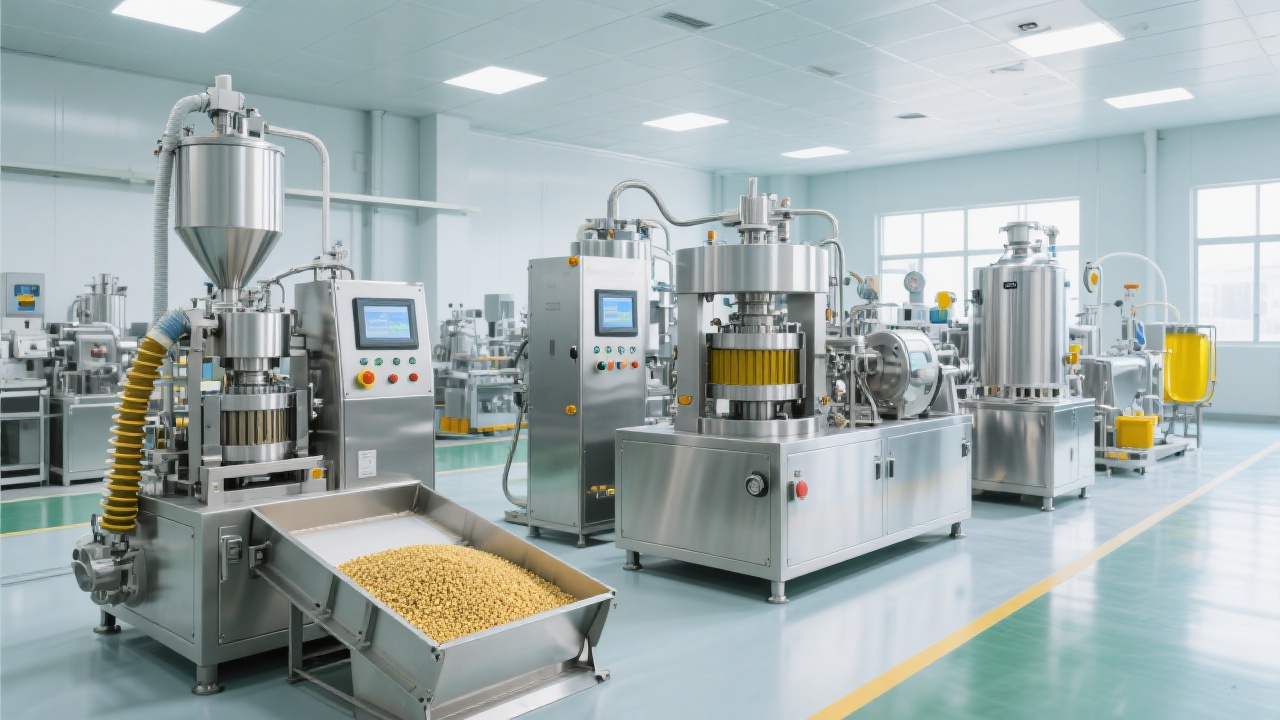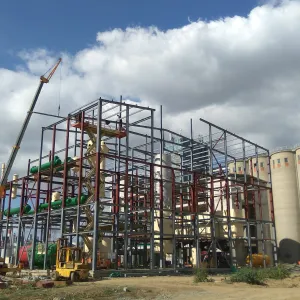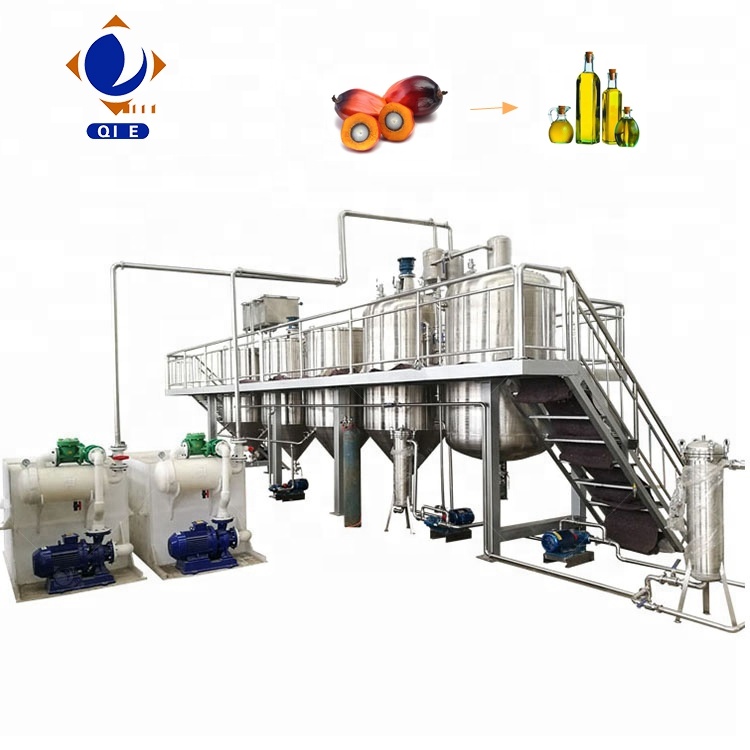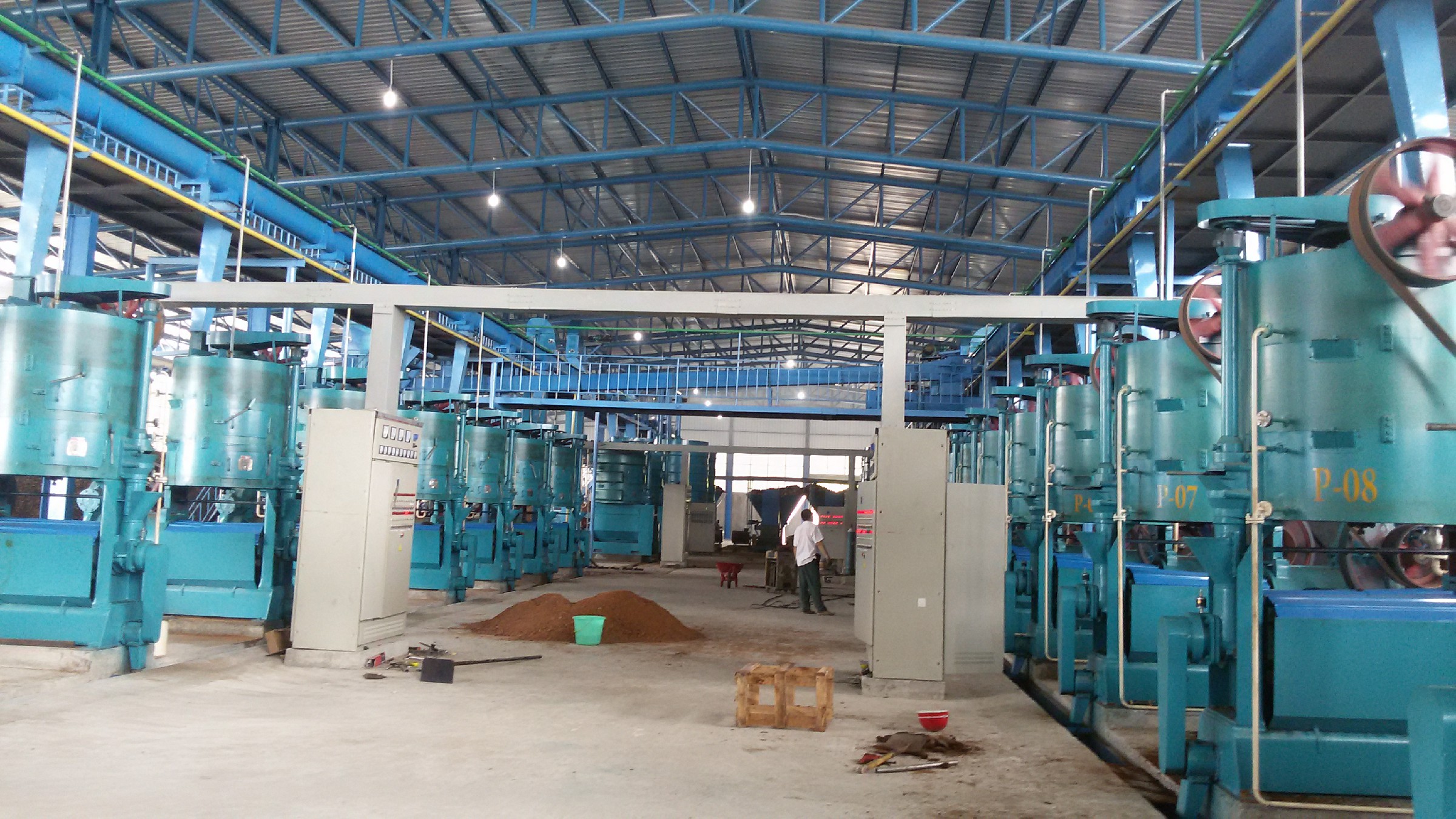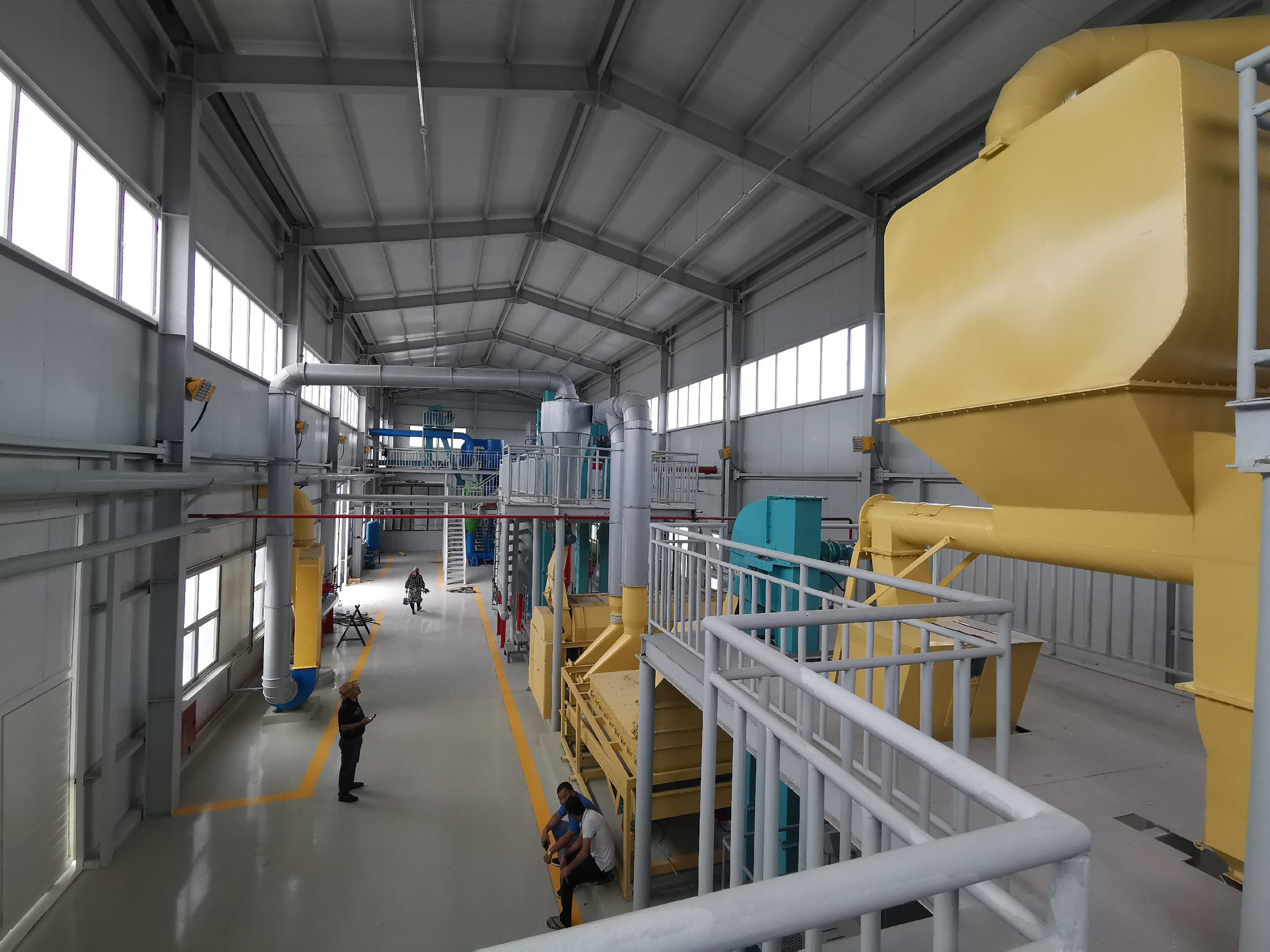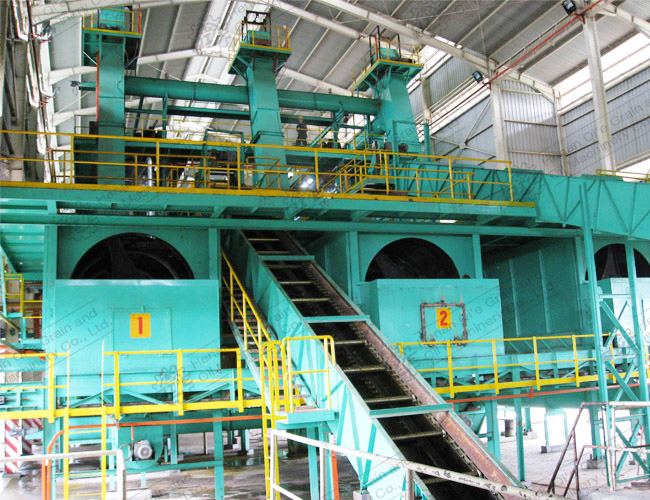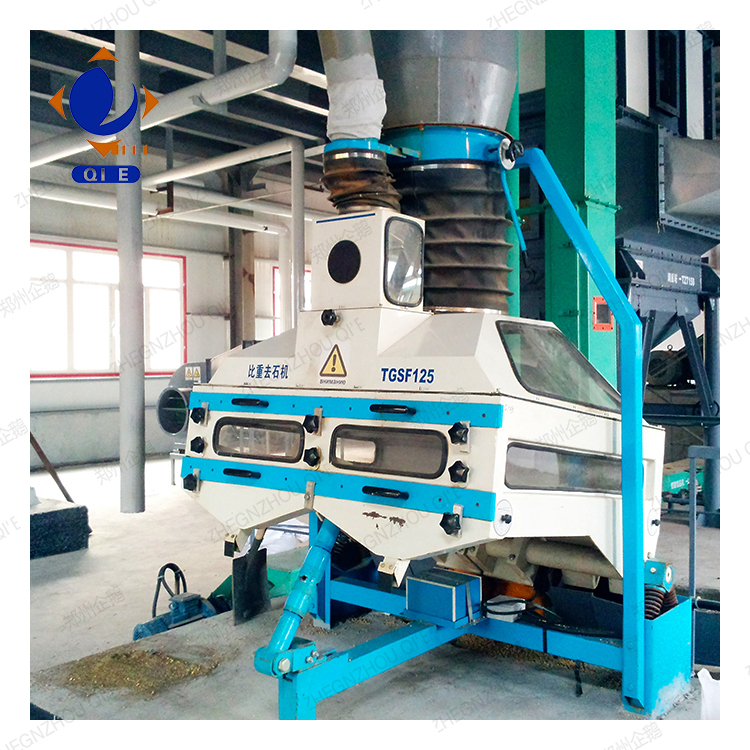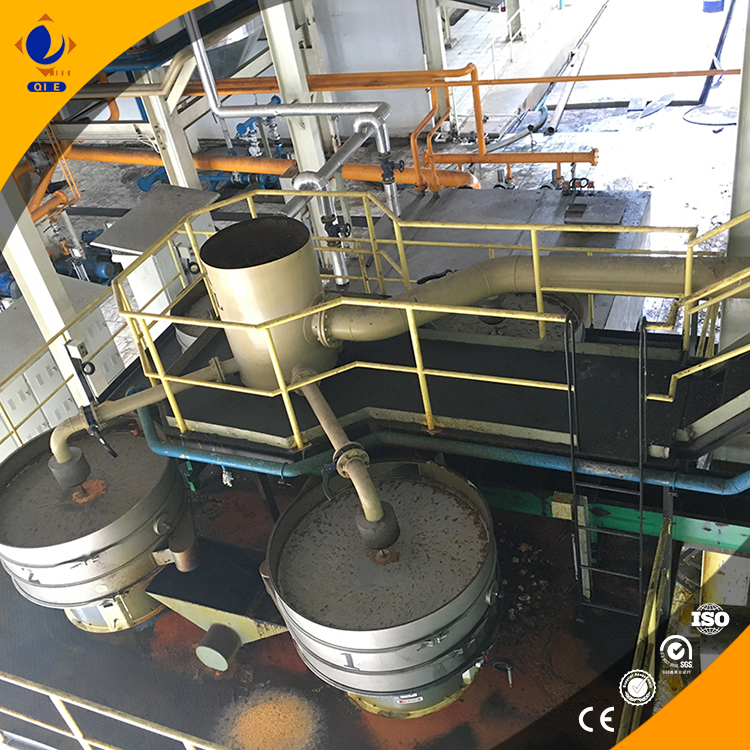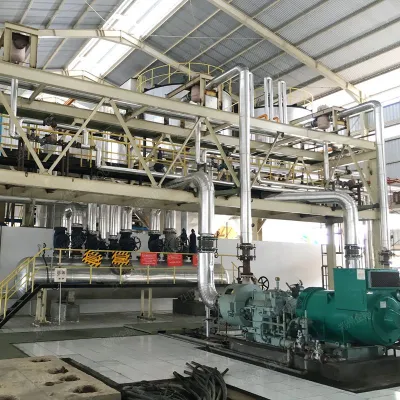
In today’s competitive global palm oil industry, production efficiency and process automation have become pivotal factors for enterprise success. Advanced intelligent-driven palm oil production lines, integrating state-of-the-art mechanical pressing, filtration, and refining technologies, are transforming traditional operations. These systems not only accelerate throughput but also significantly reduce manual intervention and operational errors, enabling manufacturers to meet diverse market demands with consistent quality.
The core of a modern palm oil production line lies in its robust machinery engineered for durability and precision. Equipment constructed with high-grade stainless steel and corrosion-resistant alloys withstands the harsh mechanical and chemical environment inherent in palm oil extraction and purification. Latest mechanical screw presses deliver extraction rates exceeding 85%, while integrated filtration units guarantee clarity and purity, minimizing oil losses throughout the refining stages. This structural integrity ensures long-term, reliable operation across various climatic and operational contexts globally.
The introduction of smart control systems marks a significant leap forward in palm oil production automation. Equipped with programmable logic controllers (PLC) and real-time sensors, these control units continuously monitor process parameters such as temperature, pressure, and oil yield. Automated feedback loops adjust operational settings instantly to optimize performance, ensuring stable extraction efficiency while reducing energy consumption by up to 20% compared to conventional lines.
By minimizing human intervention, the risk of operational errors decreases substantially — historical data indicate a reduction of operator-induced downtime by approximately 30%. This translates into higher uptime, smoother workflows, and improved product consistency, which are critical for maintaining competitive advantage in international markets.
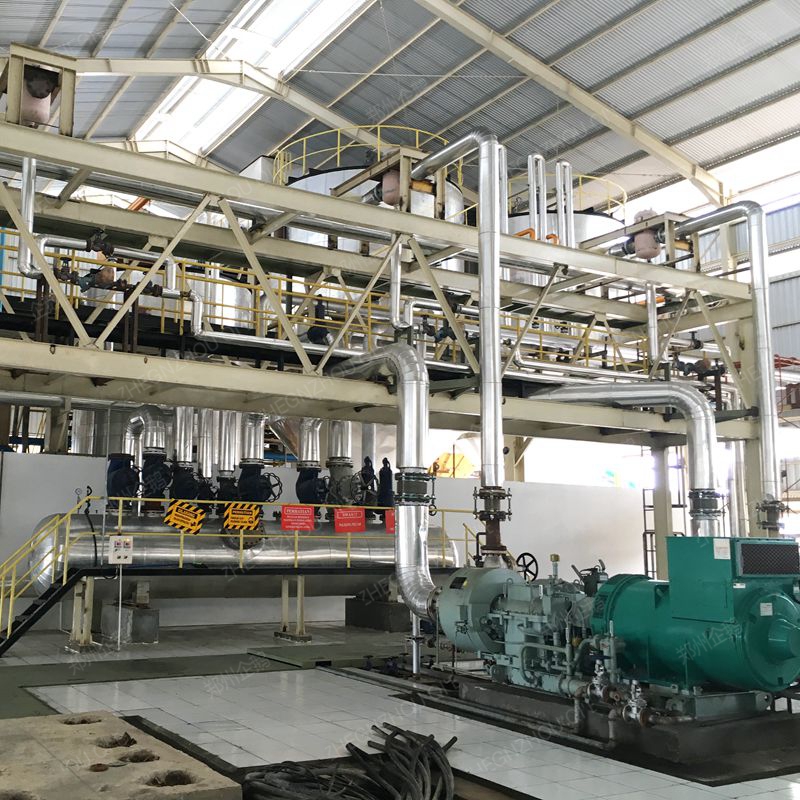
Several industry leaders across Southeast Asia, Africa, and Latin America have adopted these intelligent systems to modernize their facilities. For instance, a medium-scale producer in Malaysia reported a 25% increase in daily throughput after integrating the automated system, combined with a 15% reduction in energy costs within six months. Concurrently, another enterprise in Nigeria highlighted improved traceability and quality control, satisfying stricter export standards.
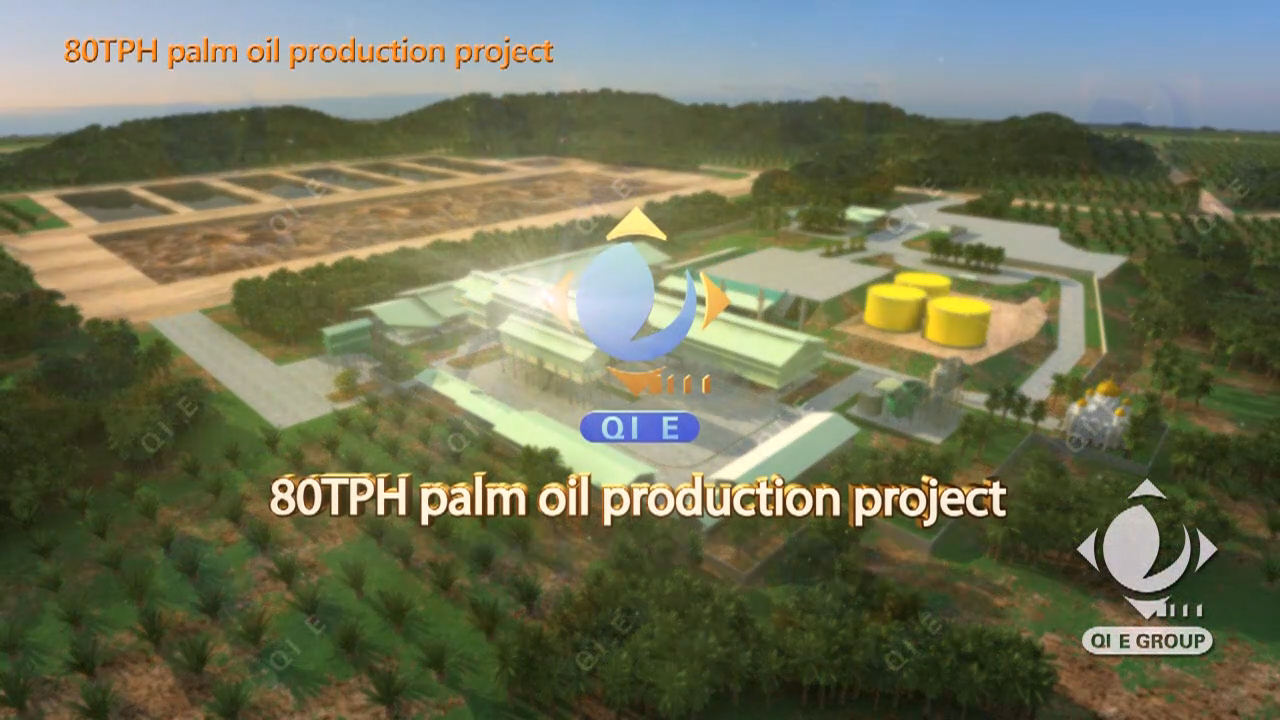
The global palm oil sector is undergoing transformative shifts driven by environmental regulations and the demand for sustainable production methods. Intelligent production lines facilitate compliance with international eco-standards by optimizing energy usage and reducing waste. Moreover, modular design enables easy scalability, allowing businesses to expand capacity aligning with market growth without entire system replacements.
As Industry 4.0 principles permeate agricultural processing, the future signals further integration of IoT-enabled remote monitoring and AI-powered predictive maintenance. These technologies promise to elevate operational reliability, forecast equipment failures proactively, and minimize unscheduled downtime.
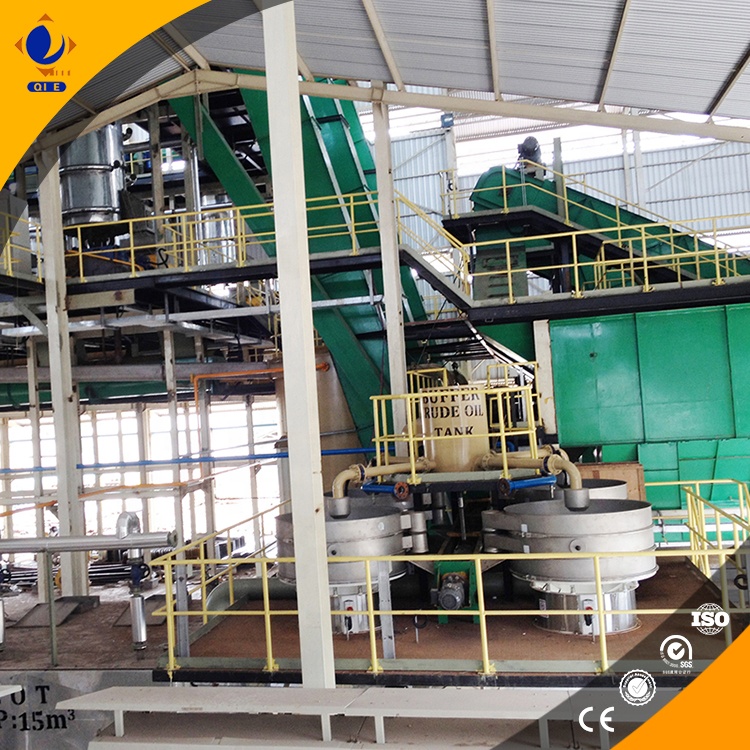
For modern producers aiming to boost efficiency and secure a competitive edge in the global palm oil market, adopting intelligent-driven production lines is no longer optional but essential. Experience firsthand how integrated automation and precision technology can transform your operations — from boosting output and reducing costs to enhancing product quality and sustainability.

 344
|
344
|
 50-80 tons per day palm oil extraction line
palm oil processing machine
high automation palm oil production line
energy-efficient palm oil extraction equipment
304 stainless steel palm oil processing line
ISO9001 certified palm oil extraction
customizable palm oil processing solutions
global palm oil processing experience
50-80 tons per day palm oil extraction line
palm oil processing machine
high automation palm oil production line
energy-efficient palm oil extraction equipment
304 stainless steel palm oil processing line
ISO9001 certified palm oil extraction
customizable palm oil processing solutions
global palm oil processing experience
 267
|
Palm Kernel Oil Production Line Equipment
Efficient Palm Kernel Oil Extraction Equipment
High-Quality Palm Oil Production Line
Customizable Palm Kernel Oil Processing Equipment
Sustainable Palm Oil Production Solutions
Advanced Palm Kernel Oil Production Technology
Cost-Effective Palm Oil Production Equipment
Durable Palm Kernel Oil Extraction Machinery
267
|
Palm Kernel Oil Production Line Equipment
Efficient Palm Kernel Oil Extraction Equipment
High-Quality Palm Oil Production Line
Customizable Palm Kernel Oil Processing Equipment
Sustainable Palm Oil Production Solutions
Advanced Palm Kernel Oil Production Technology
Cost-Effective Palm Oil Production Equipment
Durable Palm Kernel Oil Extraction Machinery
 489
|
energy-efficient soybean oil production line
automated soybean oil processing equipment
soybean oil production energy-saving technology
high-efficiency soybean oil production
soybean oil production line case study
489
|
energy-efficient soybean oil production line
automated soybean oil processing equipment
soybean oil production energy-saving technology
high-efficiency soybean oil production
soybean oil production line case study
 427
|
Sesame Oil Production Line
High-Quality Sesame Oil Production Line
Sesame Oil Processing Equipment
Advanced Sesame Oil Extraction Technology
Automated Sesame Oil Production System
Customized Sesame Oil Production Solutions
Energy-Efficient Sesame Oil Production Line
Durable Sesame Oil Processing Machinery
Quality Control in Sesame Oil Processing
427
|
Sesame Oil Production Line
High-Quality Sesame Oil Production Line
Sesame Oil Processing Equipment
Advanced Sesame Oil Extraction Technology
Automated Sesame Oil Production System
Customized Sesame Oil Production Solutions
Energy-Efficient Sesame Oil Production Line
Durable Sesame Oil Processing Machinery
Quality Control in Sesame Oil Processing
 209
|
seed pretreatment and pressing equipment
efficient vegetable oil production solutions
customized seed processing technology
209
|
seed pretreatment and pressing equipment
efficient vegetable oil production solutions
customized seed processing technology