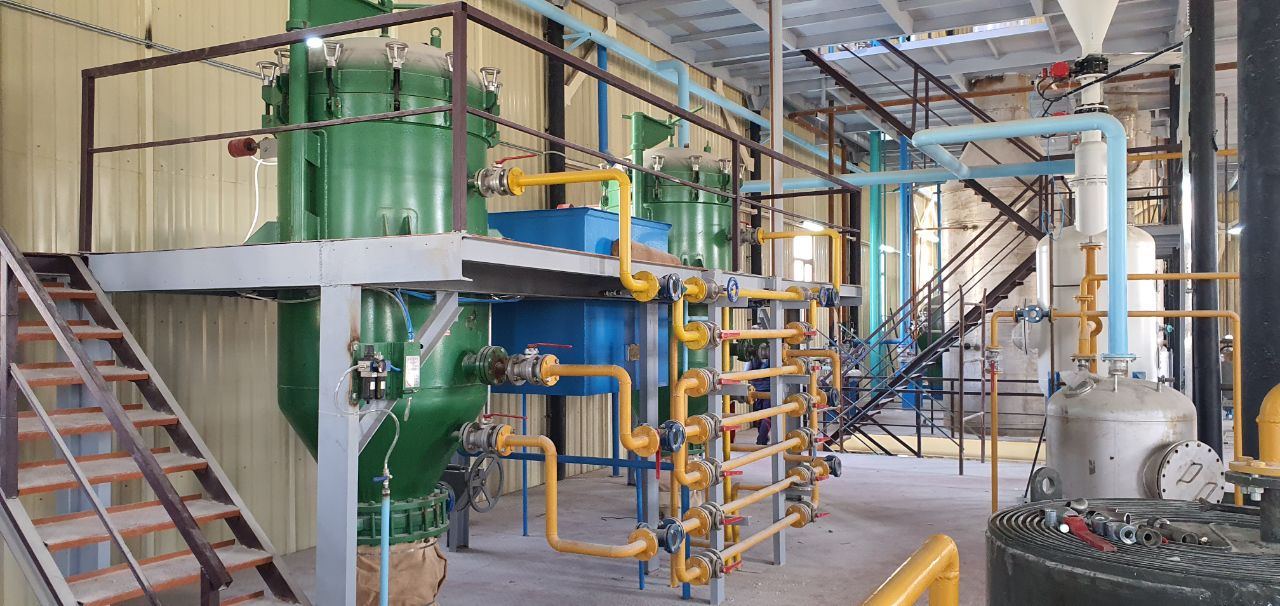
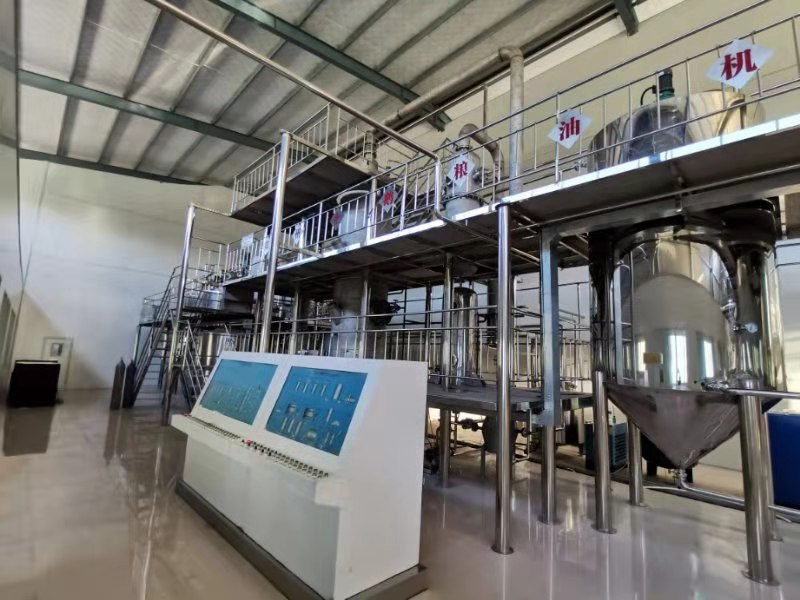
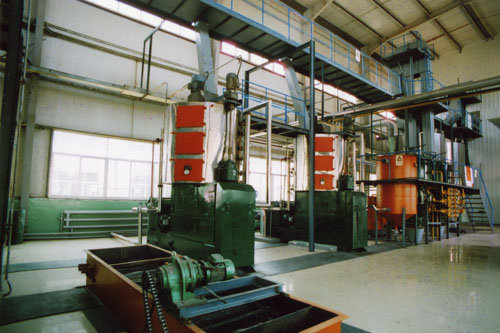
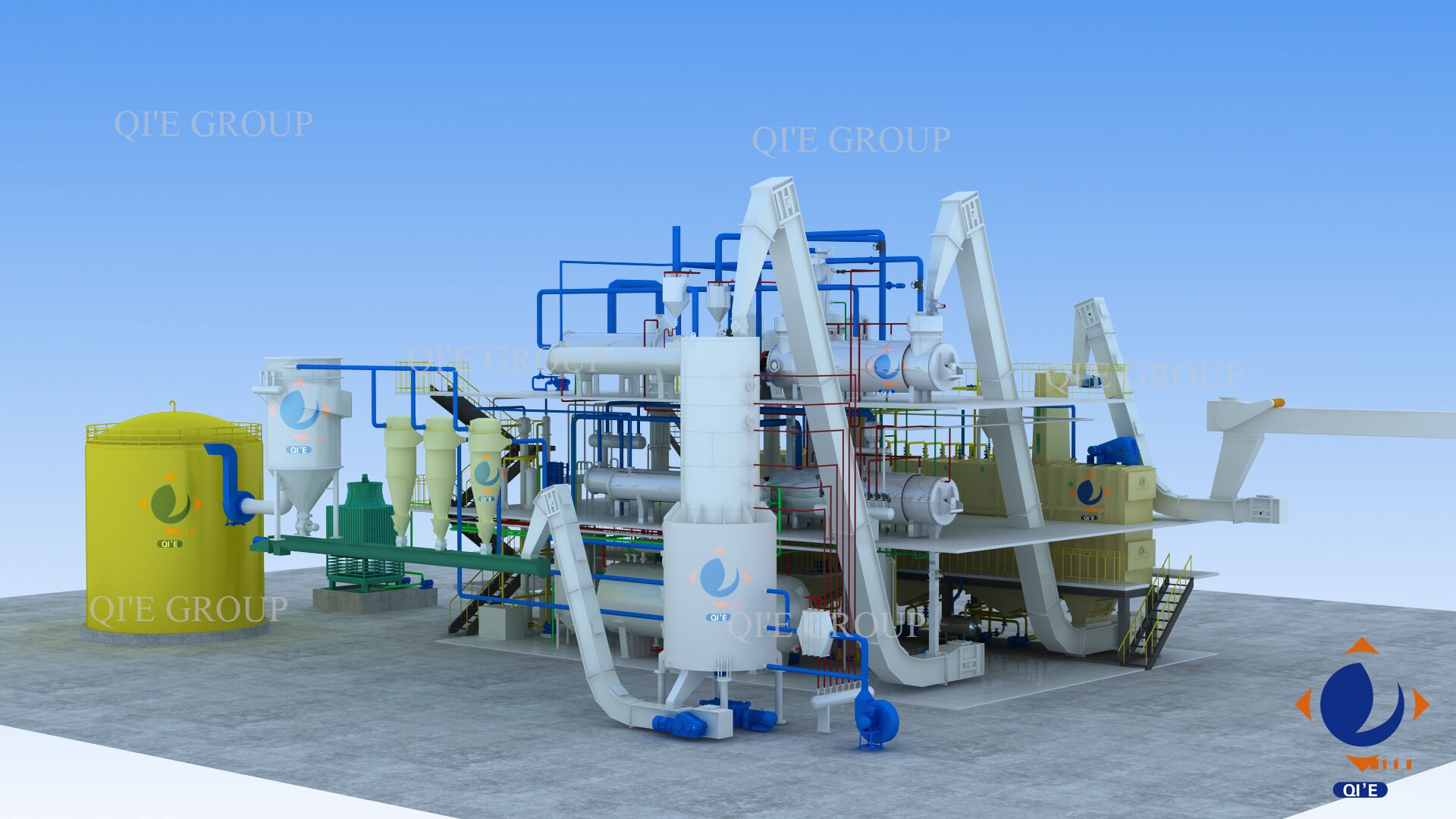
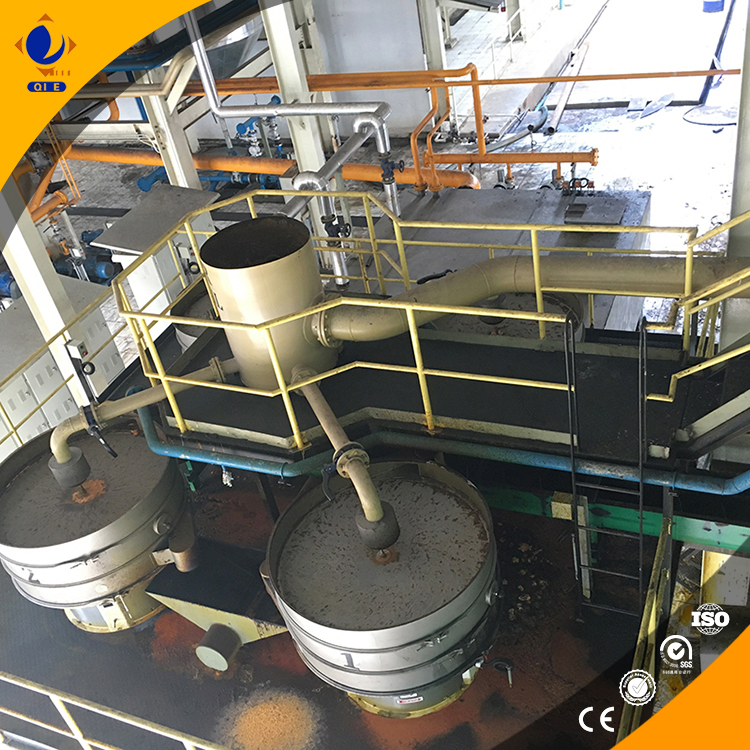
In today's global edible oil market, rice bran oil has emerged as a highly valued product due to its rich nutrition and unique health benefits. However, producers face increasing pressure to deliver not only superior oil quality but also to adopt sustainable, low-impact manufacturing methods. The demand for high-efficiency, environmentally friendly rice bran oil production lines is growing as export markets prioritize green processing technology alongside cost-effectiveness.
Global B2B customers in the edible oils industry are shifting towards suppliers who can guarantee:
To remain competitive and meet these expectations, manufacturers must integrate cutting-edge technology that optimizes extraction yield, reduces energy consumption, and simplifies maintenance.
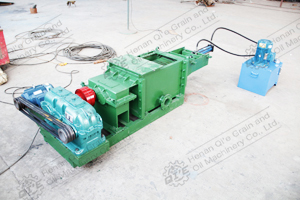
Advanced rice bran oil production systems leverage multiple innovative technologies, including:
Recent implementations of these high-tech lines have shown remarkable data:
| Metric | Traditional Line | High-Efficiency Line |
|---|---|---|
| Oil Extraction Rate | 15% - 17% | 18% - 20% |
| Energy Consumption (kWh/ton) | 950 | 660 |
| CO₂ Emissions Reduction | Baseline | -25% |
Leading rice bran oil manufacturers utilizing these solutions have reported:
The research and development behind these production lines reflect a persistent focus on both performance and responsibility. Early prototypes encountered challenges balancing extraction efficiency with thermal degradation, which was overcome by implementing multi-stage gentle heating combined with patented enzyme-aided extraction. Incorporation of smart sensors further refined process consistency. These breakthroughs have positioned these lines as a cornerstone of green oil technology in the global edible oil sector.

 113
|
113
|
 crude palm oil refining equipment
energy-efficient equipment
PLC automated control
palm oil processing equipment
production cost reduction
crude palm oil refining equipment
energy-efficient equipment
PLC automated control
palm oil processing equipment
production cost reduction
 522
|
["coconut oil production line"
"coconut oil processing technology"
"eco-friendly oil extraction equipment"
"efficient coconut oil extraction"
"modern coconut oil manufacturing"]
522
|
["coconut oil production line"
"coconut oil processing technology"
"eco-friendly oil extraction equipment"
"efficient coconut oil extraction"
"modern coconut oil manufacturing"]
 280
|
cottonseed oil processing line
high efficiency oil extraction equipment
eco-friendly oil production technology
cottonseed oil machine maintenance
oil mill automation solutions
280
|
cottonseed oil processing line
high efficiency oil extraction equipment
eco-friendly oil production technology
cottonseed oil machine maintenance
oil mill automation solutions
 156
|
Sunflower Oil Automatic Production Line
Automated Sunflower Oil Production
Sunflower Oil Processing Equipment
Efficient Oil Production Line
Quality Sunflower Oil Production System
Advanced Oil Extraction Equipment
Durable Sunflower Oil Production Machinery
Energy Saving Oil Production Line
High Quality Sunflower Oil Production
Comprehensive Oil Processing Solutions
156
|
Sunflower Oil Automatic Production Line
Automated Sunflower Oil Production
Sunflower Oil Processing Equipment
Efficient Oil Production Line
Quality Sunflower Oil Production System
Advanced Oil Extraction Equipment
Durable Sunflower Oil Production Machinery
Energy Saving Oil Production Line
High Quality Sunflower Oil Production
Comprehensive Oil Processing Solutions
 475
|
multifunctional peanut oil refining equipment
oil mill revenue growth
industrial refining solutions
475
|
multifunctional peanut oil refining equipment
oil mill revenue growth
industrial refining solutions