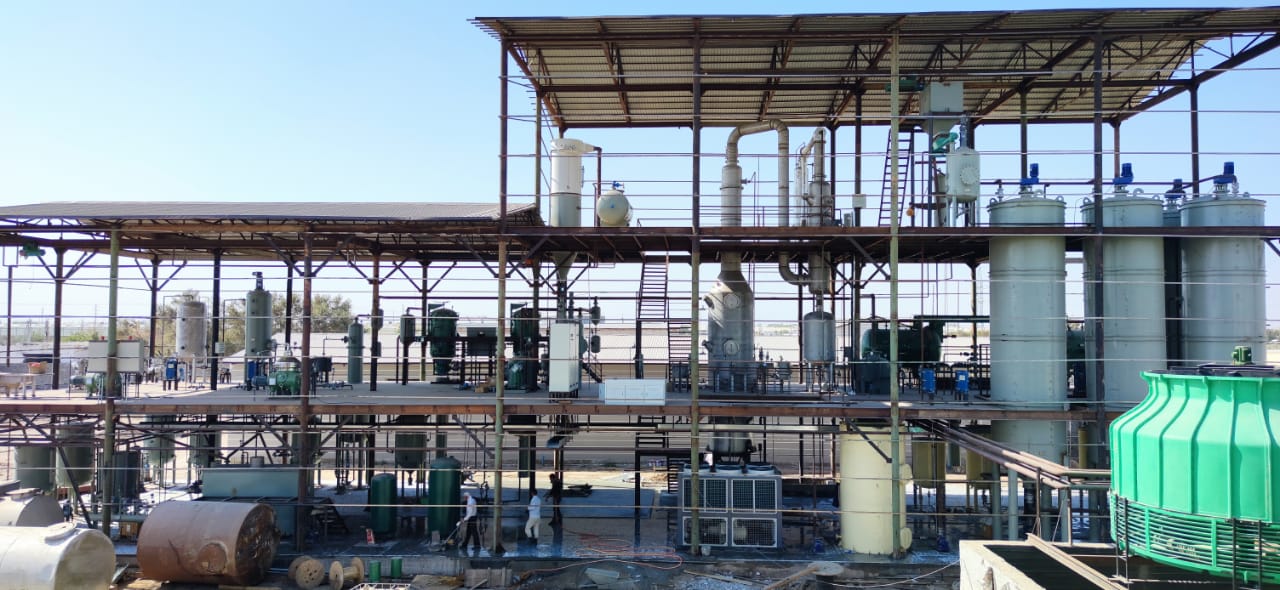
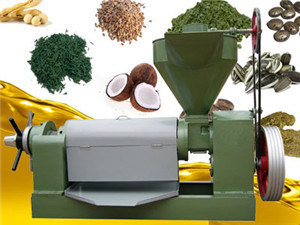
Modern oil production lines are transforming the vegetable oil industry by delivering full-process automation — from raw material cleaning to final packaging — with unmatched efficiency and sustainability. For food processing enterprises and investors alike, understanding the innovations behind this technology can unlock significant productivity gains, quality assurance, and environmental benefits. This article delves into the core stages of contemporary oil refining, emphasizing energy-saving mechanisms, resource utilization of by-products, and real-world applications that drive business value.
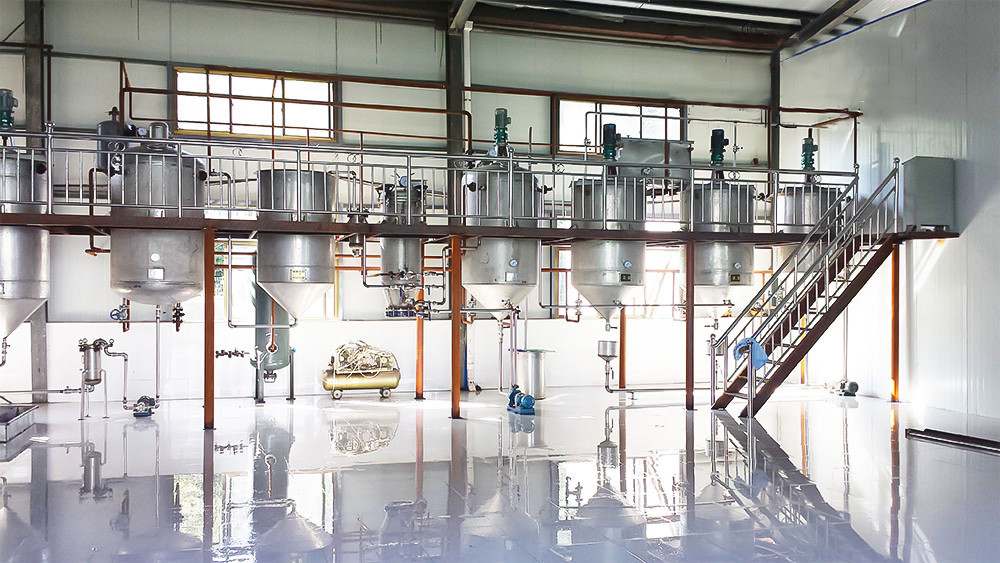
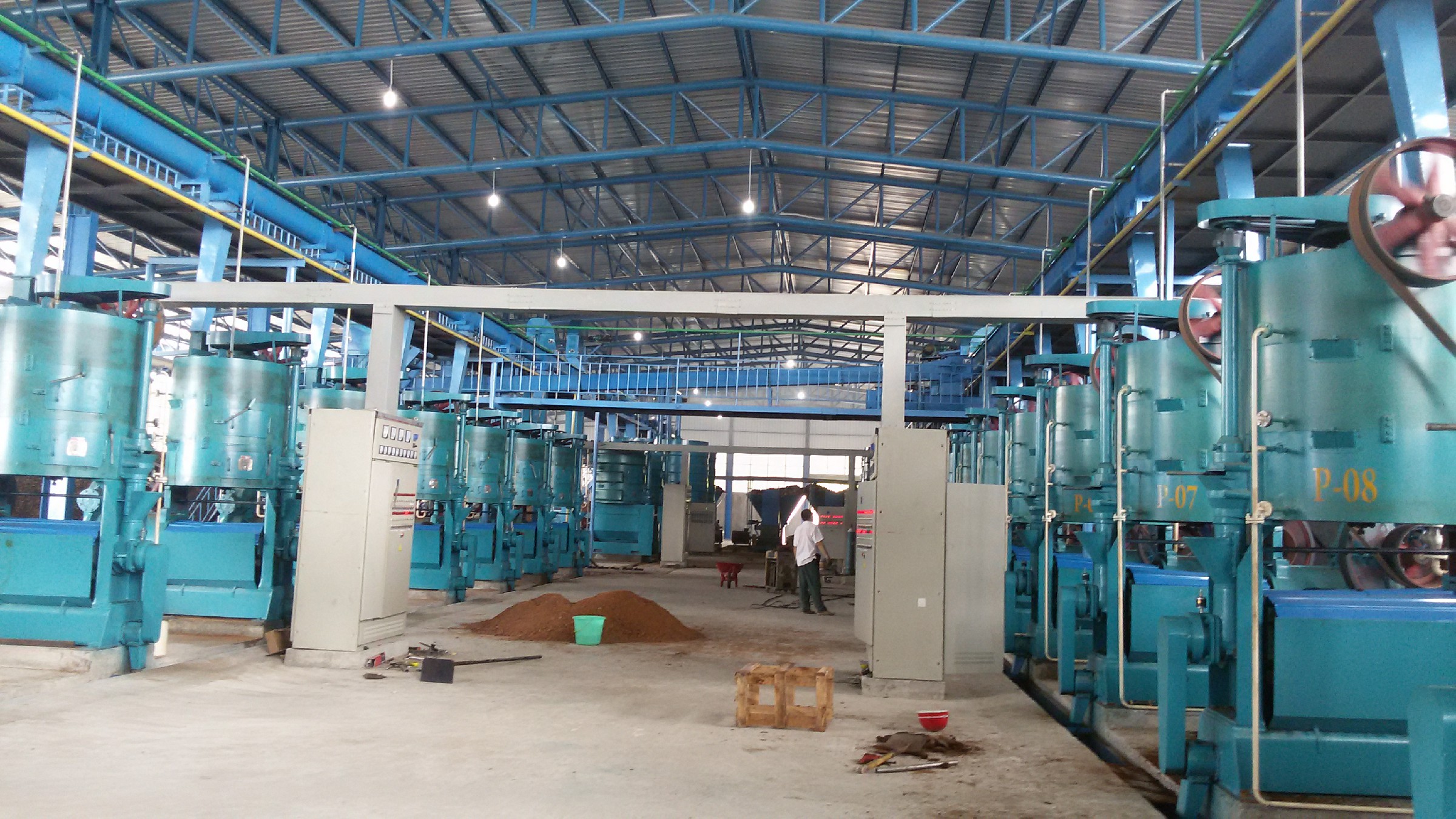
The oil production line consists of multiple interlinked phases beginning with raw material preparation, including cleaning and conditioning, followed by extraction, refining, and finally packaging for distribution. Each stage is optimized through automation to reduce manual intervention, thereby minimizing errors and downtime.
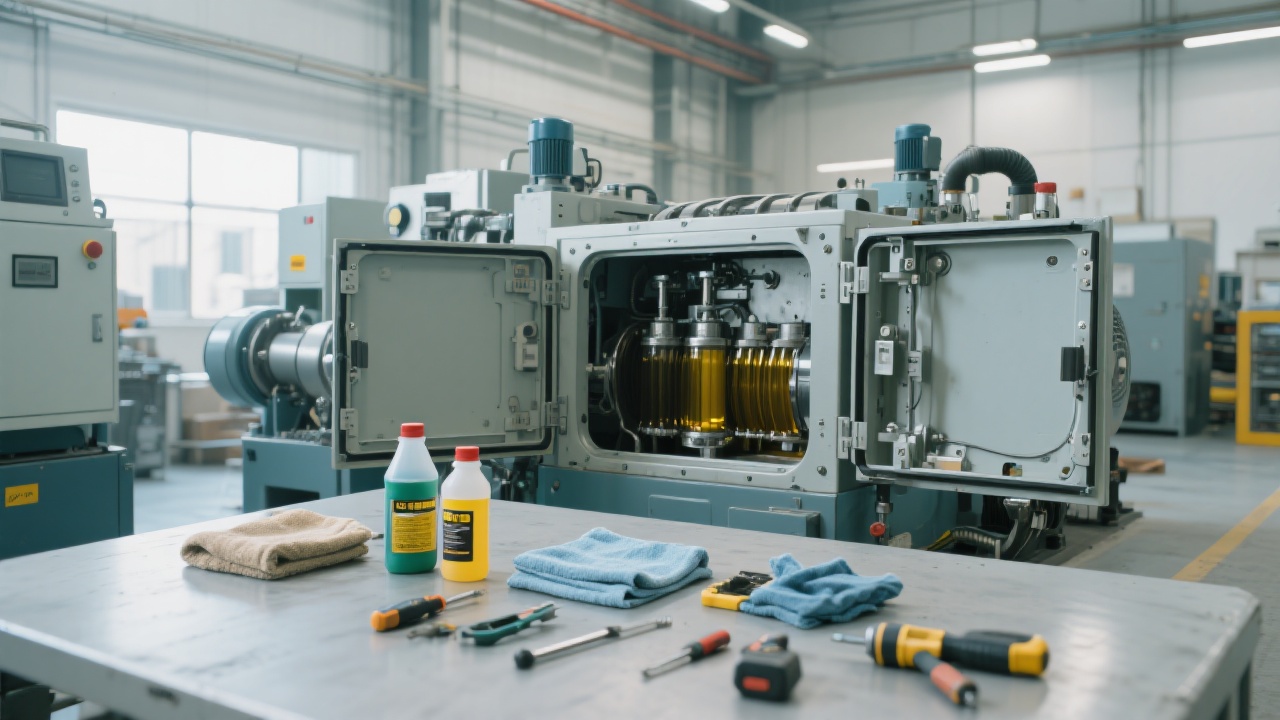
Compared to traditional setups, intelligent oil extraction equipment enhances throughput by up to 30%, while energy consumption drops significantly due to advanced control systems managing temperature and pressure precisely. The integration of sensor-driven monitoring guarantees consistency and product traceability, crucial for modern food safety and quality standards.
Refinement involves complex processes such as degumming (removal of phospholipids), neutralization, bleaching, and deodorization. These steps collectively eliminate impurities, improve oil color, odor, and shelf-life without compromising nutritional value.
State-of-the-art refining units can reduce free fatty acid content by over 90%, while bleaching earth consumption is minimized by 20% via innovative adsorbent recycling techniques. This translates directly into cost savings and cleaner end products that align with stringent international food safety certifications.
| Process | Traditional Method | Intelligent Automated System | Efficiency Gains |
|---|---|---|---|
| Degumming | Manual monitoring, 85% impurity removal | Sensor control, >95% impurity removal | +12% |
| Neutralization | Batch process, high reagent use | Continuous, optimized dosing | -15% reagent cost |
| Bleaching | High adsorbent consumption | Adsorbent recycling | -20% material cost |
| Deodorization | Time-consuming batch cycle | Automated vapor pressure control | -25% cycle time |
Valorizing by-products is central to eco-conscious manufacturing. Soybean meal, lecithin, and other residues extracted during processing serve as valuable inputs for animal feed, pharmaceuticals, and cosmetics. Automated separation and high-purity extraction enable producers to generate additional revenue streams while minimizing waste.
Market data indicates a growing demand for high-quality soy lecithin in nutraceuticals, with projected growth rates exceeding 6% annually. Leveraging green production methods to obtain these derivatives not only meets regulatory expectations but also enhances brand reputation.
The refined oils produced by advanced lines cater to multiple sectors:
Real-world deployments have reported oil yields improvement by 10-15%, directly impacting profitability while adhering to environmental guidelines.
Integrating energy-saving technologies such as waste heat recovery, electrolytic water treatment, and emissions reduction systems positions companies to benefit from governmental incentives and certifications. Additionally, eco-friendly branding fosters consumer trust and opens access to premium market segments.
Let every drop of oil created generate greater value — from field to factory, powered by innovation and responsibility.

 175
|
175
|
 corn germ oil production line
modular design for edible oil equipment
efficient oil processing system
sustainable food manufacturing
粮油加工设备
corn germ oil production line
modular design for edible oil equipment
efficient oil processing system
sustainable food manufacturing
粮油加工设备
 313
|
Palm Oil Production Line
Customized Palm Oil Production Line
High-Efficiency Oil Production Line
Energy-Saving Palm Oil Production Line
Automated Palm Oil Production Line
Flexible Palm Oil Production Line
Advanced Palm Oil Processing Technology
Palm Oil Extraction Solutions
Sustainable Palm Oil Production Line
Palm Oil Production for Industrial Use
313
|
Palm Oil Production Line
Customized Palm Oil Production Line
High-Efficiency Oil Production Line
Energy-Saving Palm Oil Production Line
Automated Palm Oil Production Line
Flexible Palm Oil Production Line
Advanced Palm Oil Processing Technology
Palm Oil Extraction Solutions
Sustainable Palm Oil Production Line
Palm Oil Production for Industrial Use
 456
|
coconut oil production line
energy-saving coconut oil equipment
eco-friendly oil extraction technology
efficient coconut oil processing
green production solution
456
|
coconut oil production line
energy-saving coconut oil equipment
eco-friendly oil extraction technology
efficient coconut oil processing
green production solution
 195
|
corn germ oil production line
energy-efficient oil extraction equipment
modular edible oil production
sustainable grain processing technology
global edible oil market trends
195
|
corn germ oil production line
energy-efficient oil extraction equipment
modular edible oil production
sustainable grain processing technology
global edible oil market trends
 374
|
energy-efficient corn germ oil production line
modular corn germ oil processing system
solutions for startup edible oil businesses
374
|
energy-efficient corn germ oil production line
modular corn germ oil processing system
solutions for startup edible oil businesses