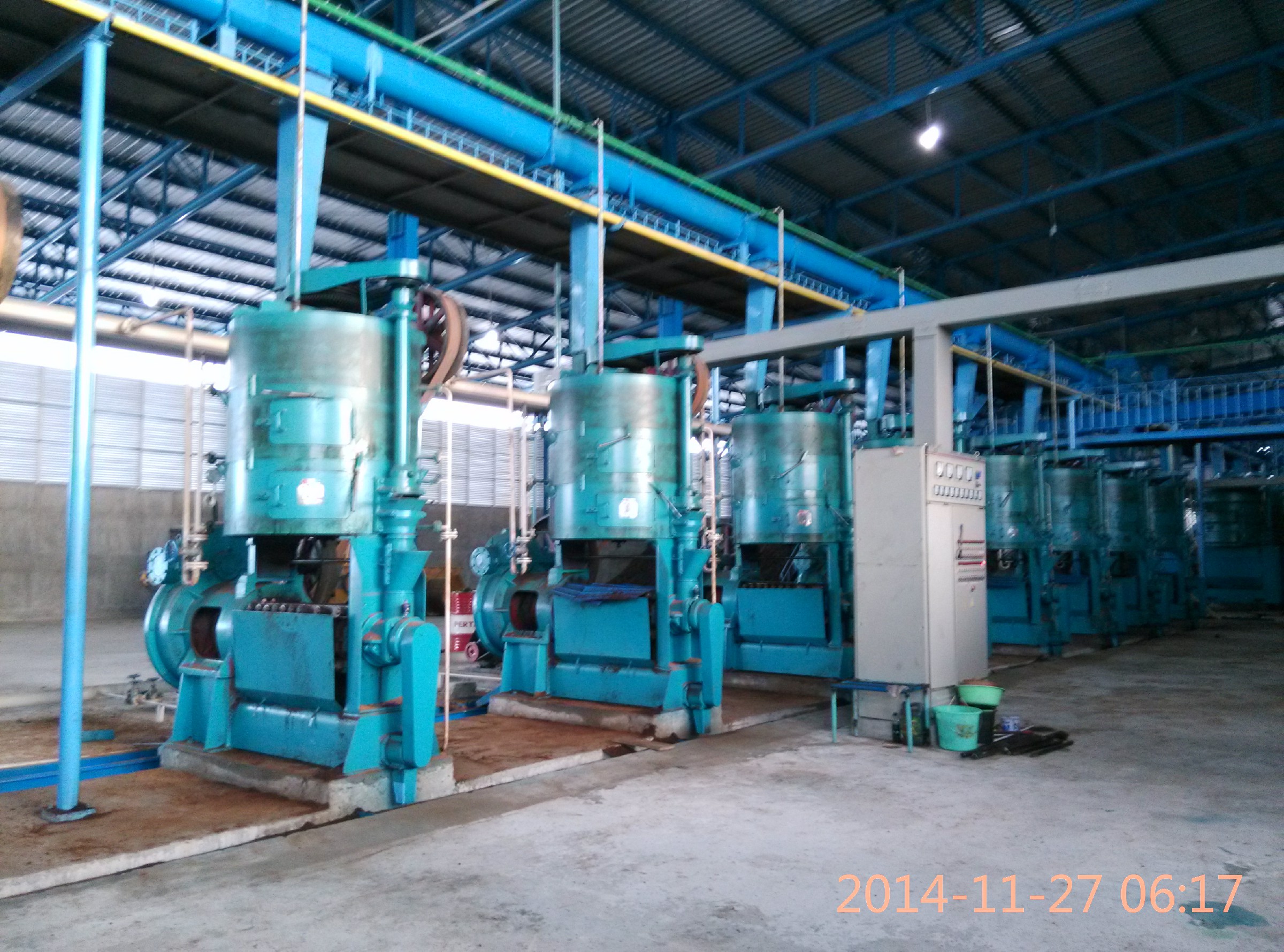
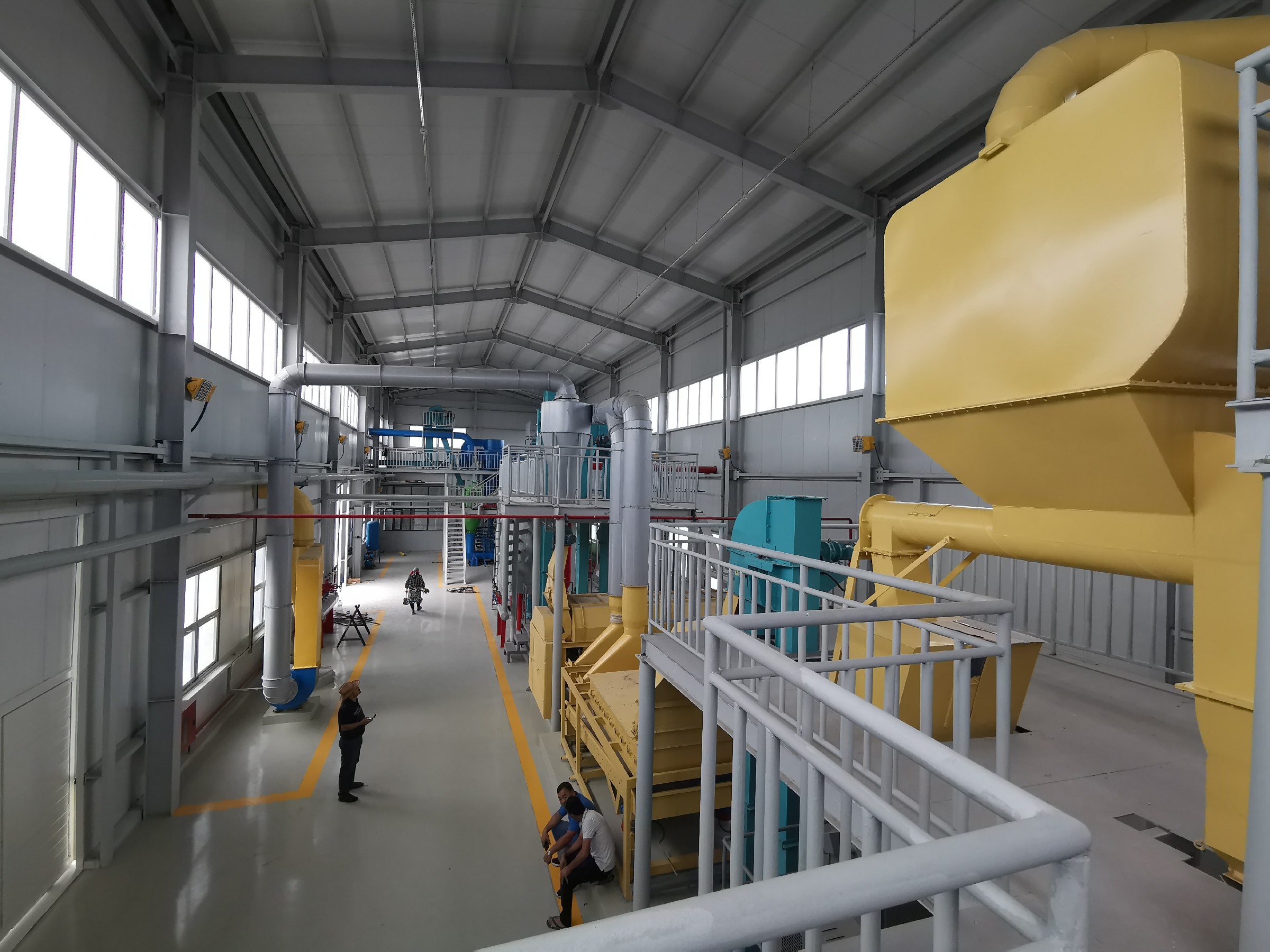
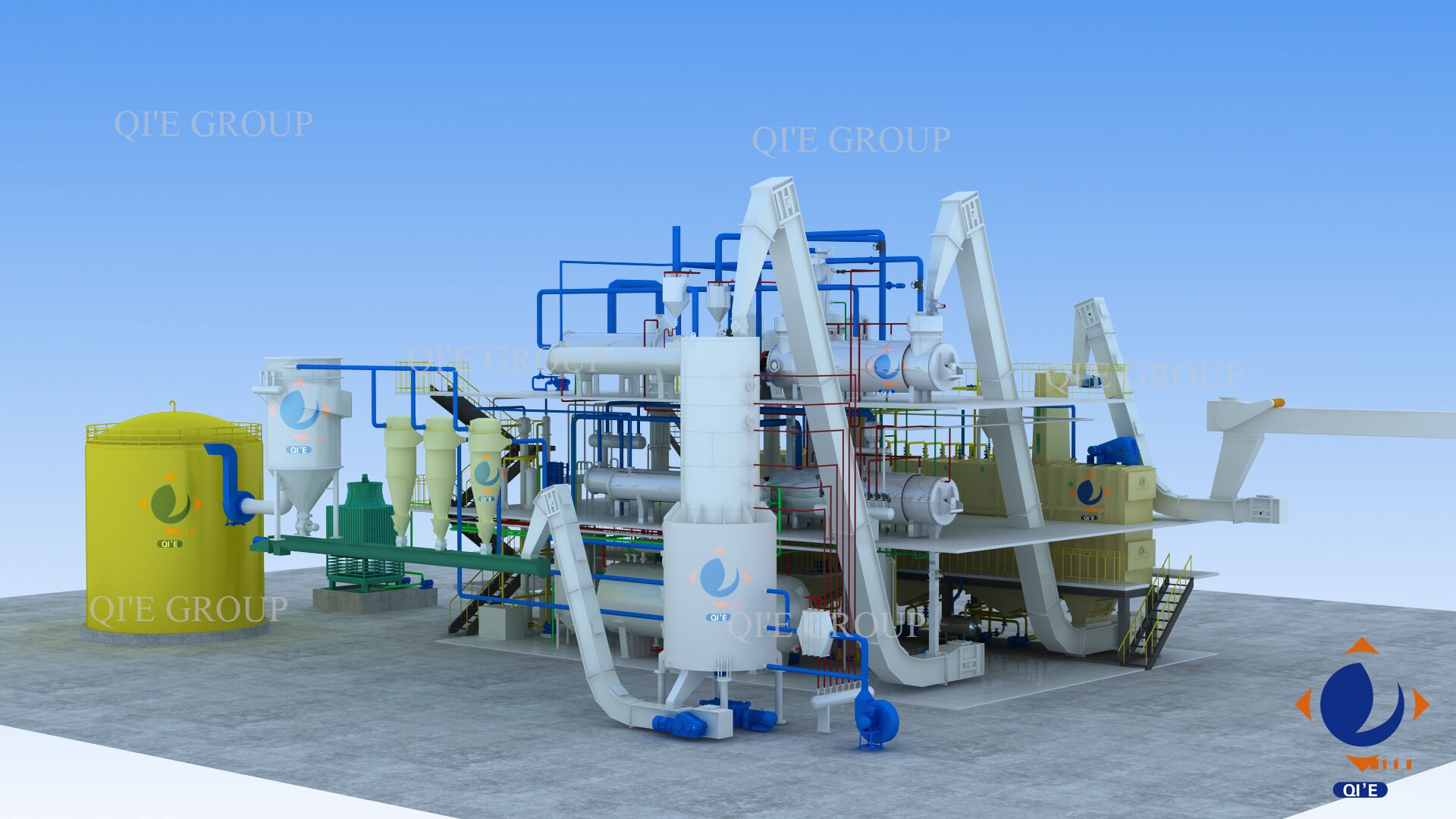
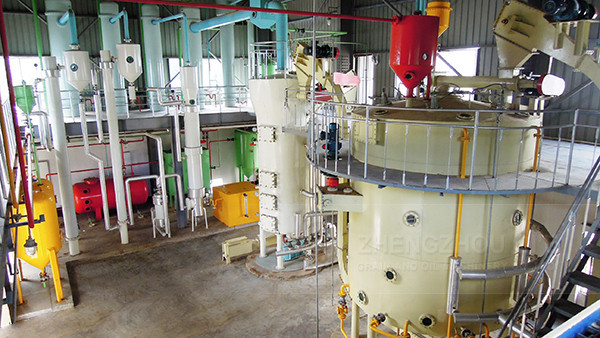
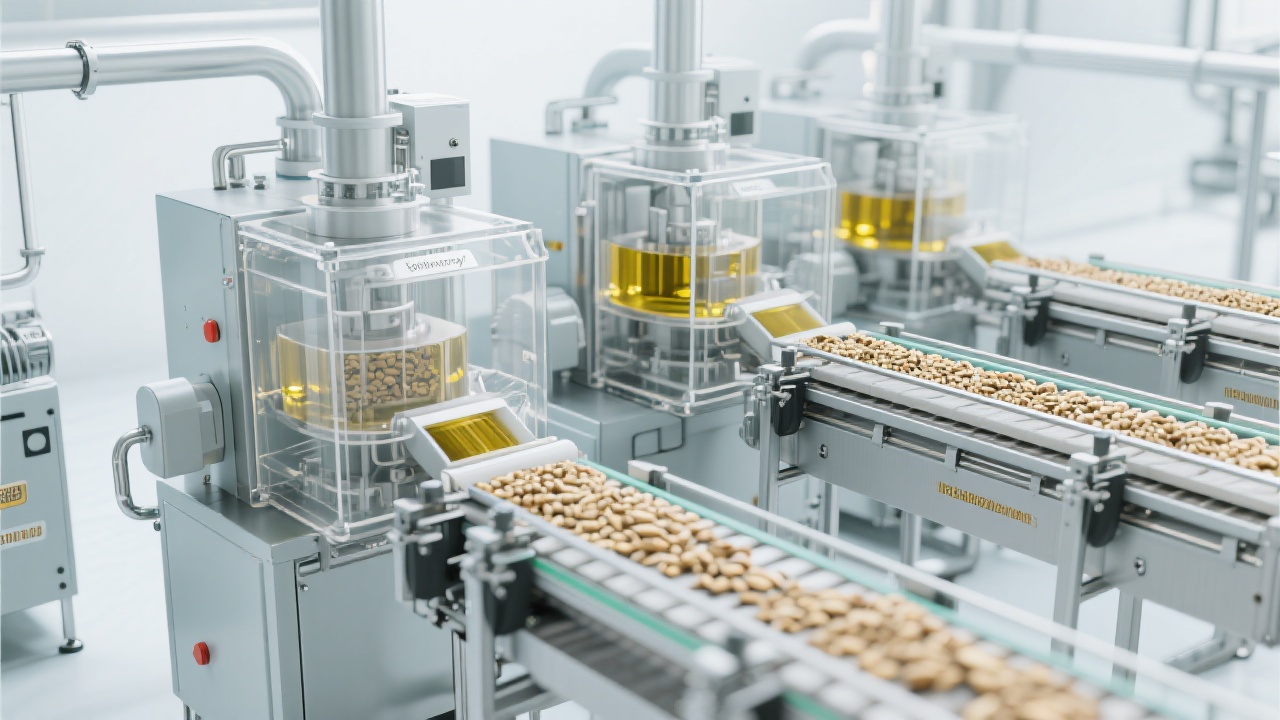
As global demand for edible oils rises—driven by population growth and shifting dietary habits—manufacturers are under increasing pressure to deliver both high yield and environmental accountability. The modern oil production line isn’t just a tool for efficiency—it’s a strategic investment in sustainability, compliance, and long-term profitability.
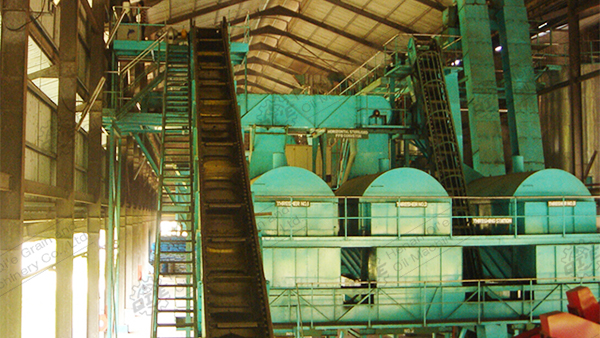
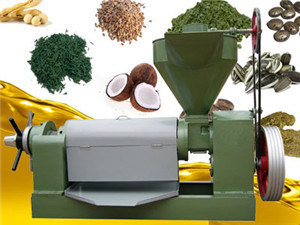
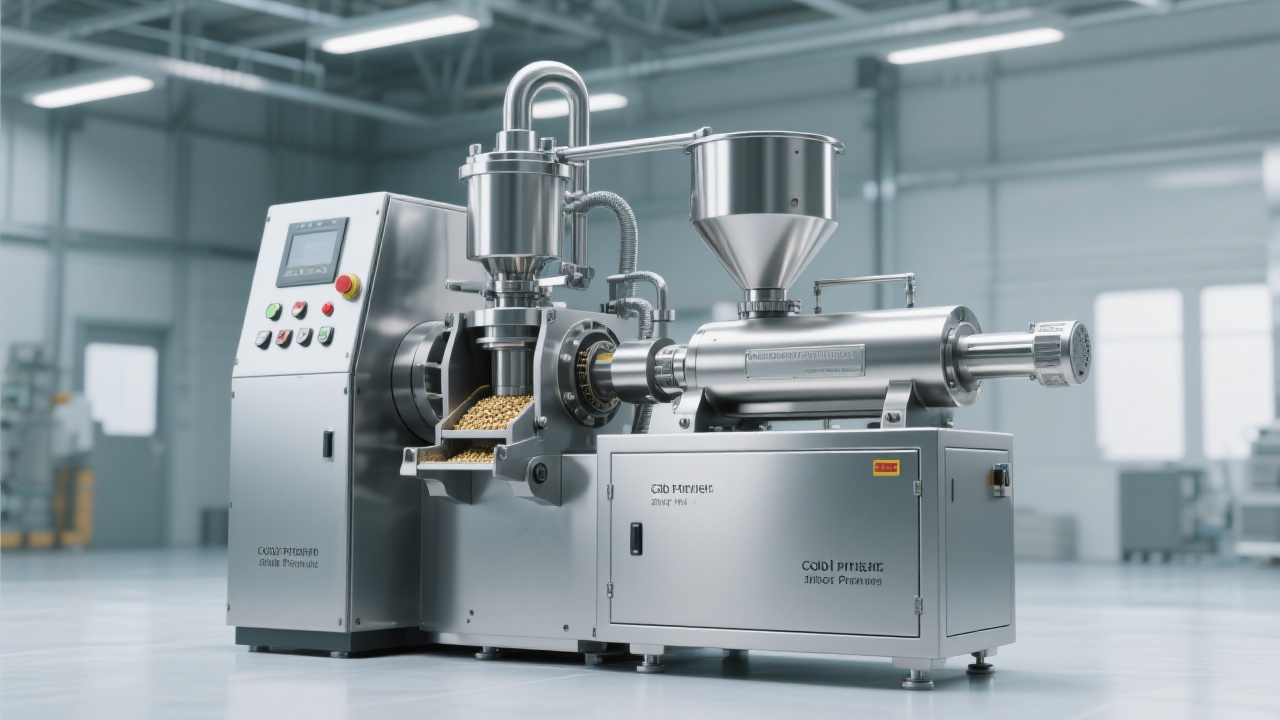
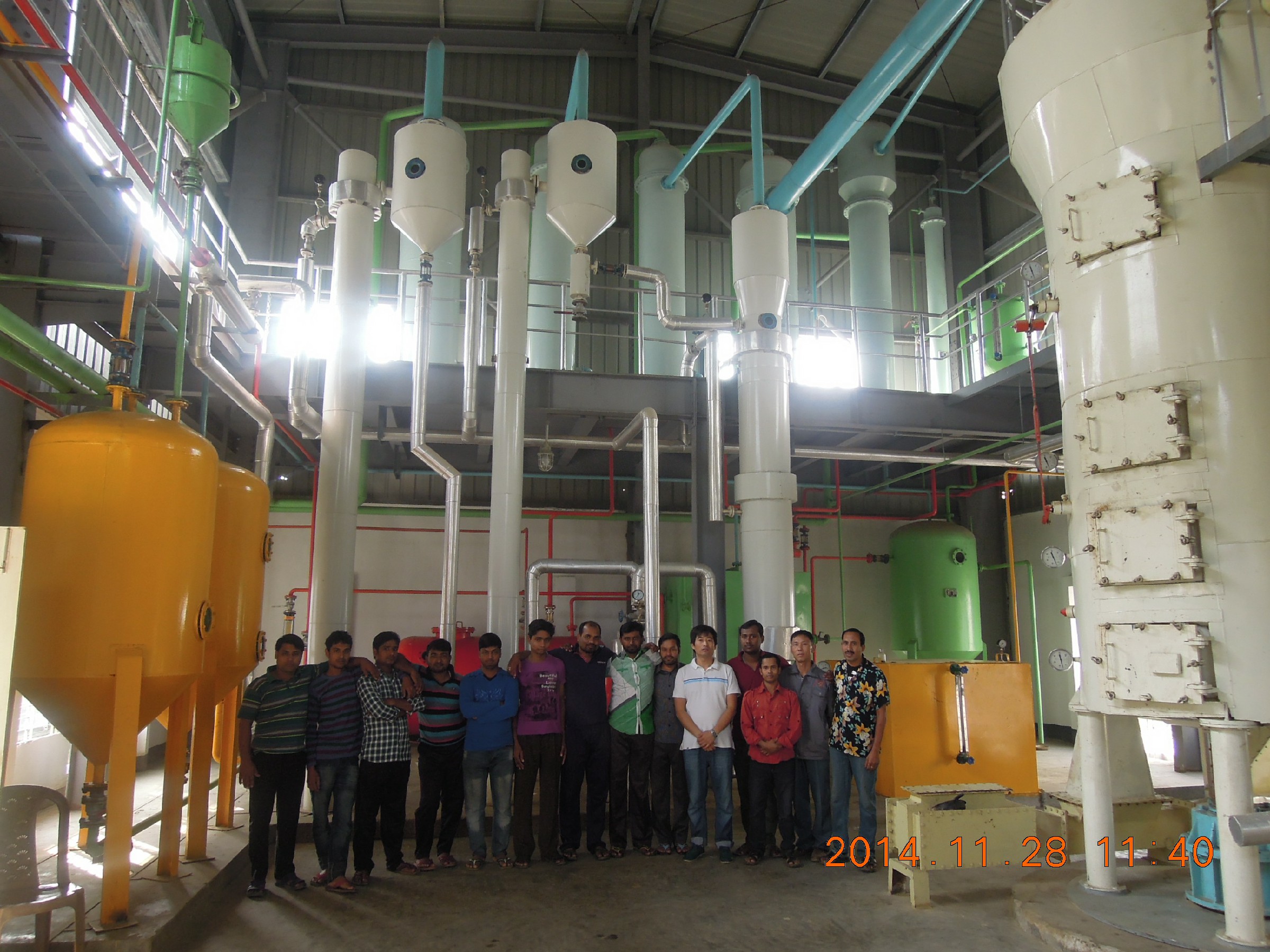
A typical advanced oil extraction system includes pre-treatment units (cleaning, drying), mechanical pressing or solvent extraction modules, refining stages (neutralization, bleaching, deodorization), and automated packaging lines. Unlike older systems that rely on manual oversight, today’s setups integrate IoT sensors, real-time quality monitoring, and predictive maintenance algorithms. For example, one leading Chinese manufacturer reported a 30% reduction in downtime after implementing AI-driven process control across their soybean oil line.
Automated systems optimize energy use by adjusting temperature, pressure, and flow rates based on raw material consistency. According to the International Energy Agency (IEA), fully automated oil mills can reduce electricity consumption per ton of oil produced by up to 22% compared to semi-automated facilities. This translates directly into lower operational costs and fewer carbon emissions—key metrics for ESG-conscious buyers in Europe and North America.
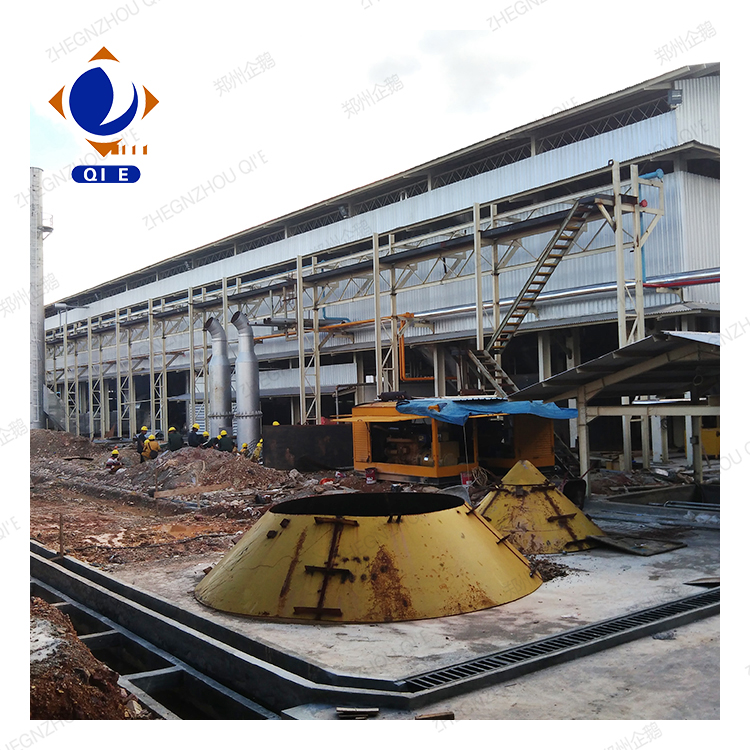
Traditional presses generate significant byproducts like press cake and waste water. In contrast, modern systems recover >95% of residual oil from meal using enzymatic or supercritical CO₂ extraction methods—a practice now adopted by major players in Brazil, India, and Southeast Asia. One case study from a Malaysian palm oil processor showed a 40% decrease in wastewater discharge while boosting usable byproduct revenue through biofuel conversion.
Market trends reveal clear shifts: over 68% of food processors in the EU plan to upgrade their oil lines within three years to meet new EU Green Deal standards (source: European Commission, 2023). Meanwhile, U.S. importers increasingly favor suppliers certified under ISO 14001 or FSSC 22000—not just for compliance, but because these certifications signal reliable quality and reduced risk.
“We saw a 27% improvement in throughput and cut our environmental footprint in half within six months of installing the new system.” — Maria Lopez, Operations Director at Grupo Aceite, Spain
For B2B buyers, choosing a modern oil production line is no longer about cost alone—it’s about future-proofing operations. With rising regulatory scrutiny and consumer preference for sustainable brands, companies that adopt green manufacturing gain access to premium markets, stronger supply chain partnerships, and enhanced brand equity.
Explore how our custom-built, eco-efficient oil lines can help you meet global standards—and exceed customer expectations.
Get a Free Technical Consultation Today
 174
|
174
|
 oilseed pretreatment processing equipment
efficient vegetable oil production solutions
customized oilseed processing machinery
oilseed pretreatment processing equipment
efficient vegetable oil production solutions
customized oilseed processing machinery
 445
|
palm oil production line technology
customized palm oil production solutions
sustainable palm oil processing
445
|
palm oil production line technology
customized palm oil production solutions
sustainable palm oil processing
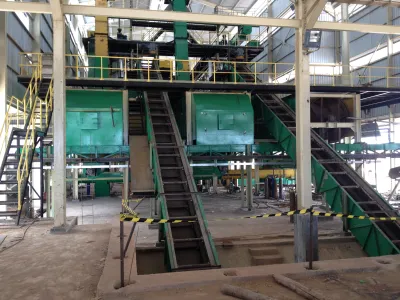 316
|
Palm Oil Production Line
High Automation Palm Oil Production Line
Energy Saving Palm Oil Production Line
Advanced Technology Palm Oil Production Line
Flexible Palm Oil Production Line
Palm Oil Production Line for Food Industry
Palm Oil Production Line for Cosmetics
Palm Oil Production Line for Detergents
316
|
Palm Oil Production Line
High Automation Palm Oil Production Line
Energy Saving Palm Oil Production Line
Advanced Technology Palm Oil Production Line
Flexible Palm Oil Production Line
Palm Oil Production Line for Food Industry
Palm Oil Production Line for Cosmetics
Palm Oil Production Line for Detergents
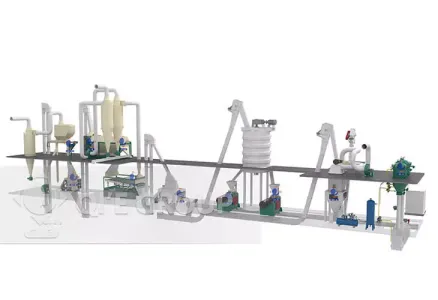 372
|
palm oil production line
personalized custom production line
energy-efficient production line
112
|
Small palm oil production equipment
Environment - friendly oil pressing equipment
Hot and cold pressing processes
Personalized customized palm oil equipment
Palm oil equipment customer cases
372
|
palm oil production line
personalized custom production line
energy-efficient production line
112
|
Small palm oil production equipment
Environment - friendly oil pressing equipment
Hot and cold pressing processes
Personalized customized palm oil equipment
Palm oil equipment customer cases