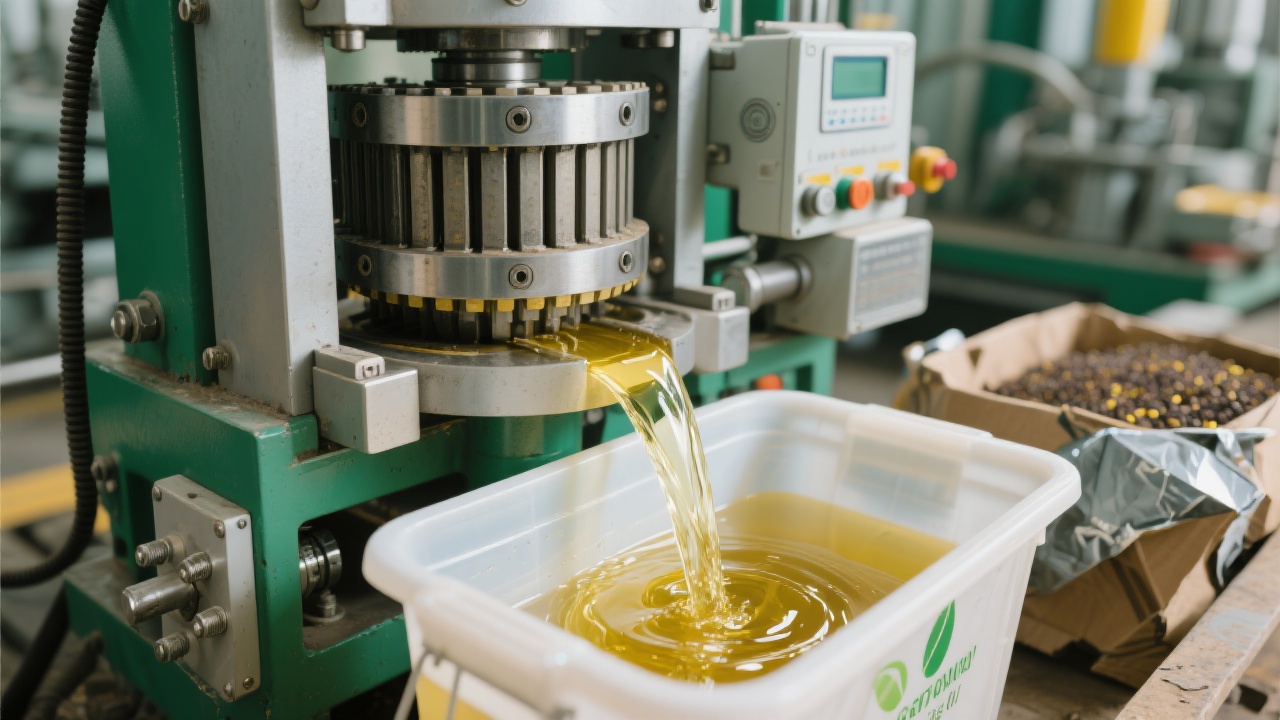
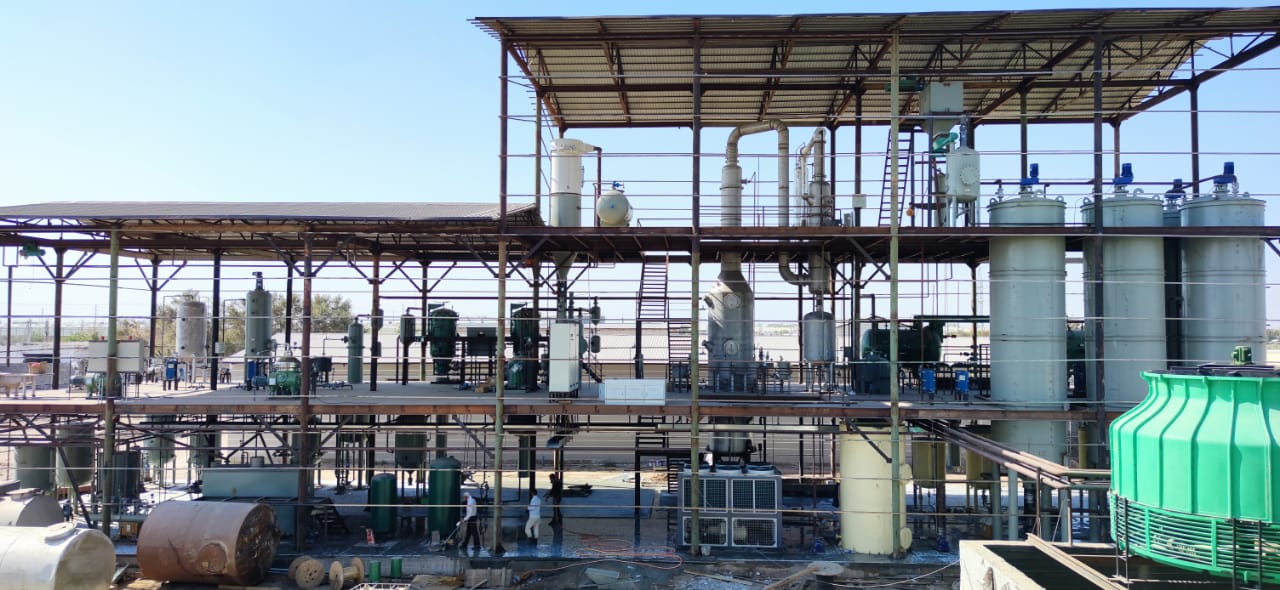
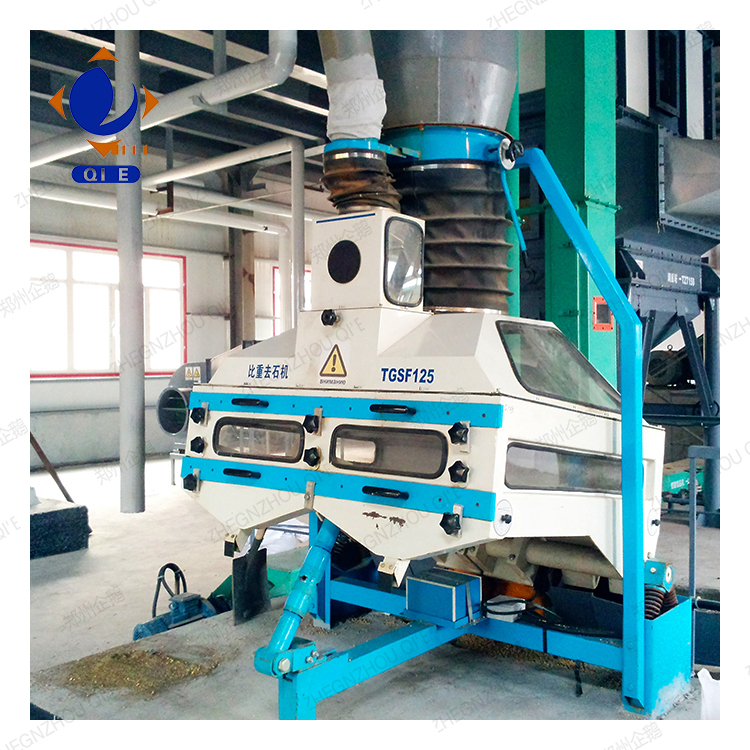
The overseas refinery faced several challenges with its original production line. Firstly, the production capacity was low, struggling to meet the growing market demand. The annual output was only around 500,000 tons of refined oil, far below the industry average. Secondly, it had a high dependence on manual labor. More than 200 workers were involved in the daily operation, which not only increased labor costs but also led to potential human - error risks. Thirdly, the energy consumption was extremely high. The refinery consumed about 150,000 megawatt - hours of electricity and 50,000 tons of fuel annually, putting a heavy burden on the operating costs.
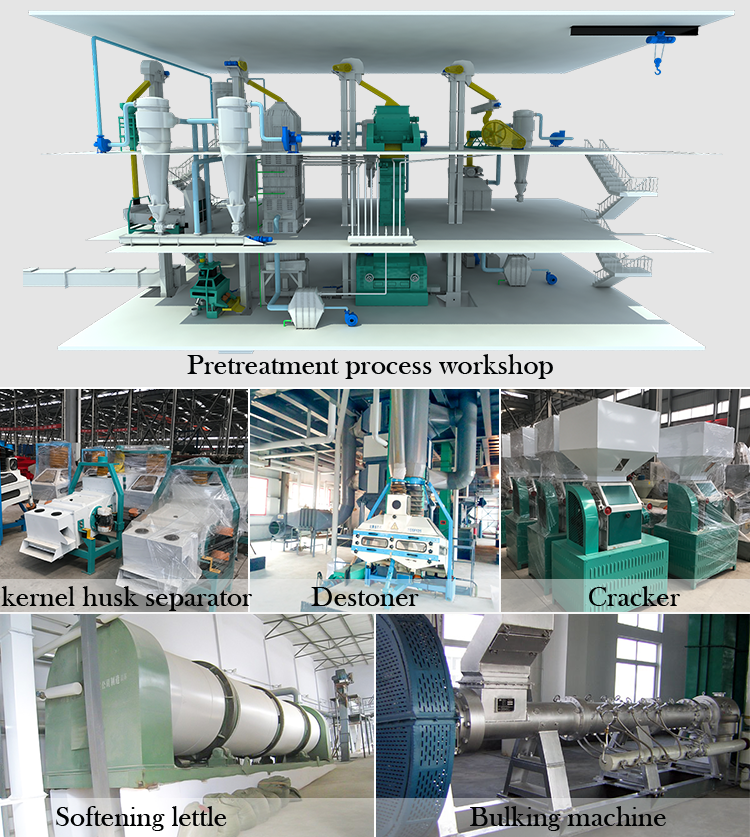
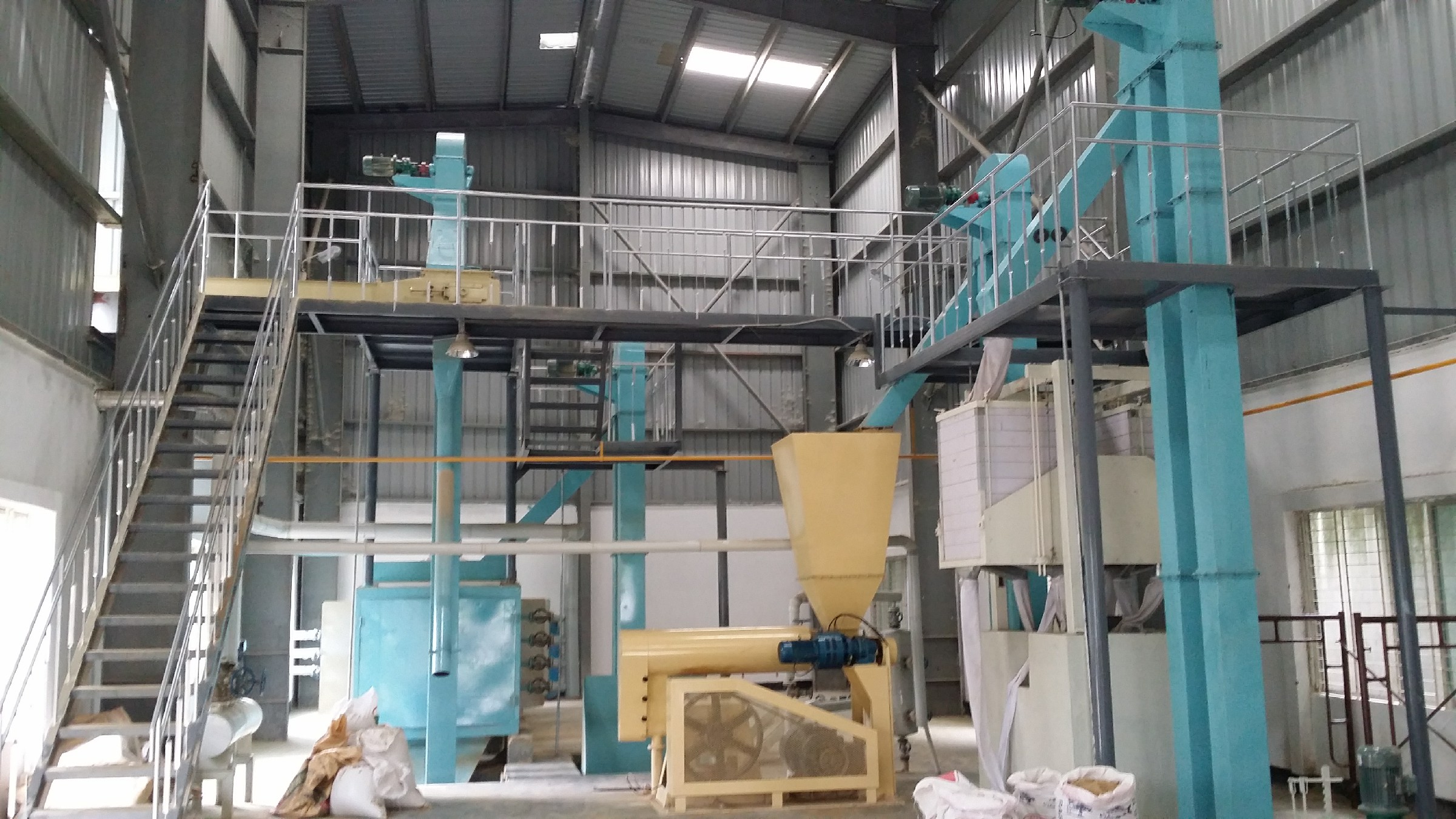
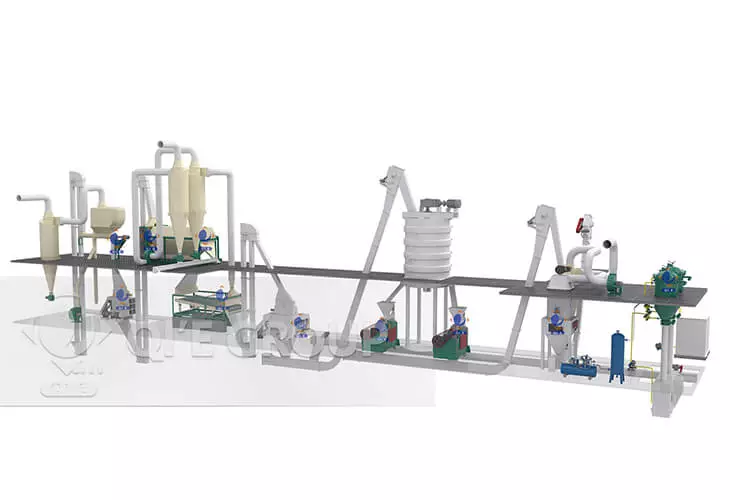
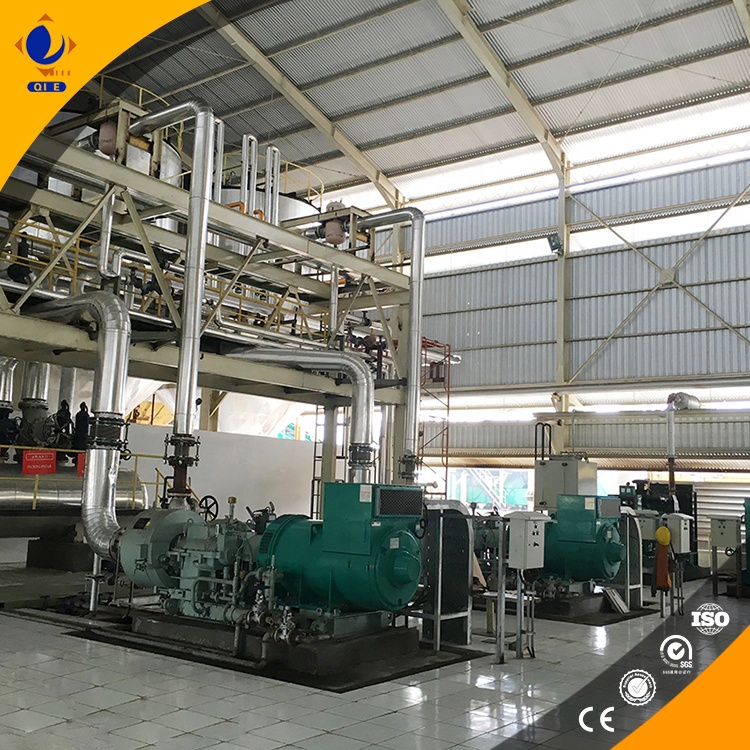
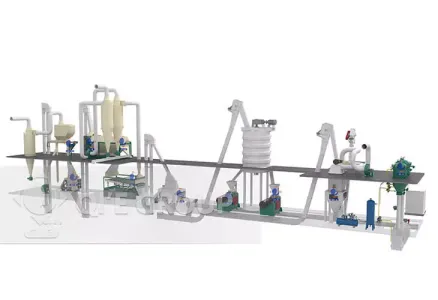
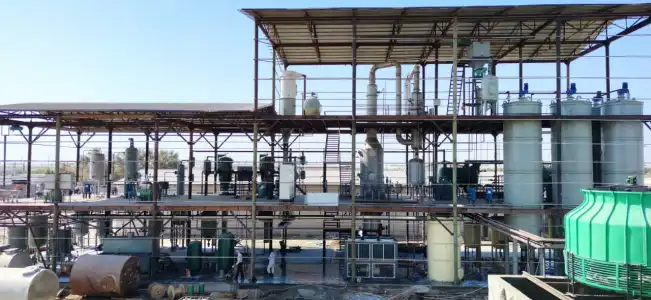
The refinery introduced a fully automated oil production line with several key modules. The first module is raw material processing. It can automatically sort, clean, and measure the raw materials, improving the efficiency and accuracy of the initial stage. The second module is desolvation, which uses advanced technology to remove solvents from the raw materials, reducing the solvent residue to less than 0.1%. The third module is refining, where the oil undergoes a series of processes such as purification, deodorization, and degumming to improve its quality. The final module is packaging, which can automatically fill, seal, and label the refined oil products.
After the upgrade, the refinery achieved remarkable results. In terms of production capacity, it increased by more than 40%, reaching an annual output of over 700,000 tons. This significant increase enabled the refinery to capture a larger market share. Regarding energy consumption, it decreased by 25%, reducing the annual electricity consumption to about 112,500 megawatt - hours and fuel consumption to 37,500 tons. The quality of the refined oil also improved significantly. The acid value decreased from 0.5 mgKOH/g to 0.2 mgKOH/g, and the peroxide value decreased from 10 meq/kg to 3 meq/kg, meeting higher international quality standards.
Compared with traditional processes, the automated production line offers several advantages. In terms of stability, the automated system can operate 24/7 without interruption, with a production error rate of less than 0.5%, while the traditional process has an error rate of about 2 - 3%. In terms of environmental protection, the automated production line reduces waste emissions by 30% due to more efficient use of resources and better waste treatment. An engineer from the refinery commented, "The automation not only improves the efficiency and quality but also aligns with the global trend of environmental protection."
This case has great applicability and promotion potential for similar enterprises. For refineries facing similar bottlenecks, the upgrade plan can be replicated with some adjustments according to their specific situations. The investment in the automated production line can be recouped within 2 - 3 years through increased production capacity and reduced operating costs. Why should your factory also consider an upgrade? Just like this overseas refinery, you can achieve significant improvements in efficiency, stability, and sustainability. Click here to learn more about how to upgrade your oil production line.

 80
|
80
|
 multifunctional peanut oil refining equipment
food safety compliant oil refining solutions
industrial-scale peanut oil processing technology
multifunctional peanut oil refining equipment
food safety compliant oil refining solutions
industrial-scale peanut oil processing technology
 303
|
palm oil production line
customized solutions
sustainable development
303
|
palm oil production line
customized solutions
sustainable development
 52
|
oilseed preprocessing equipment
efficient plant oil production solutions
comprehensive oilseed processing services
52
|
oilseed preprocessing equipment
efficient plant oil production solutions
comprehensive oilseed processing services
 178
|
soybean oil production process
high-quality oil manufacturing
soybean oil extraction technology
178
|
soybean oil production process
high-quality oil manufacturing
soybean oil extraction technology
 439
|
coconut oil production line
energy efficiency
high-efficiency oil extraction technology
green production solutions
B2B coconut oil processing
439
|
coconut oil production line
energy efficiency
high-efficiency oil extraction technology
green production solutions
B2B coconut oil processing