In today’s competitive global B2B oil market, rice bran oil producers are under increasing pressure to deliver consistent quality, sustainable operations, and faster time-to-market. The solution? A fully automated processing line — not just a trend, but a strategic imperative.
According to industry data from the International Association of Edible Oils (IAEO), companies that adopted full automation in their oil extraction processes saw an average 30% improvement in product consistency and a 25% reduction in labor costs within 12 months. For B2B buyers looking for reliable suppliers, these metrics translate directly into trust and long-term partnership potential.
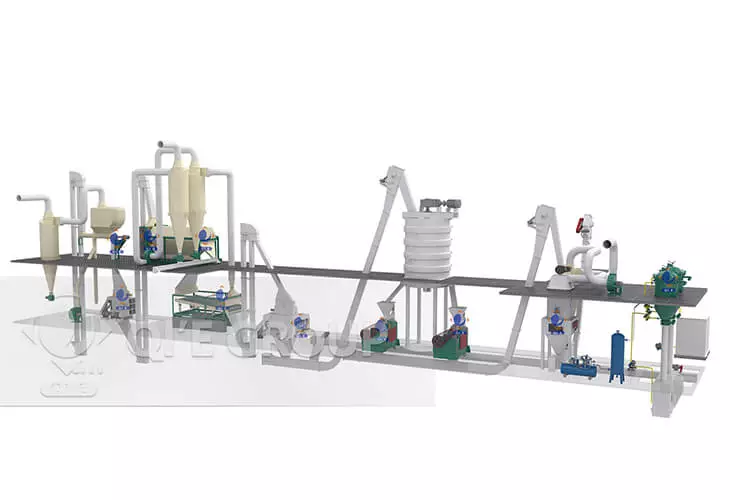
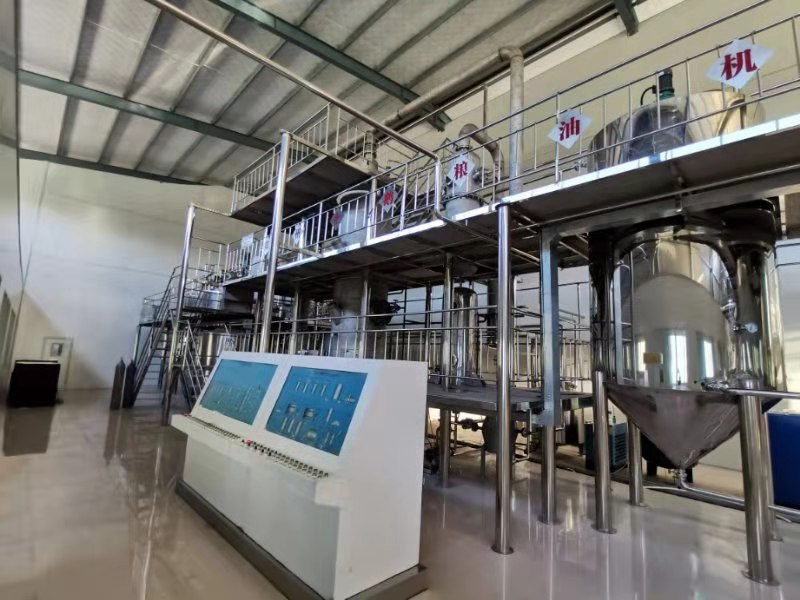
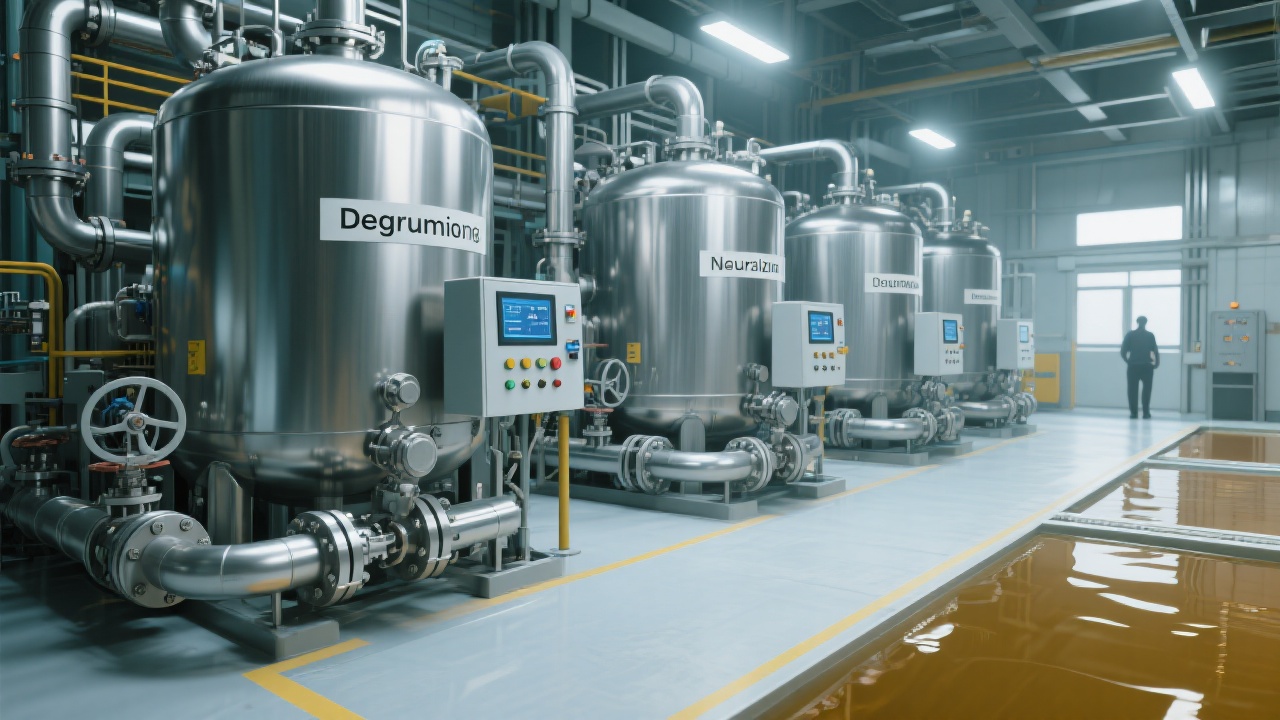
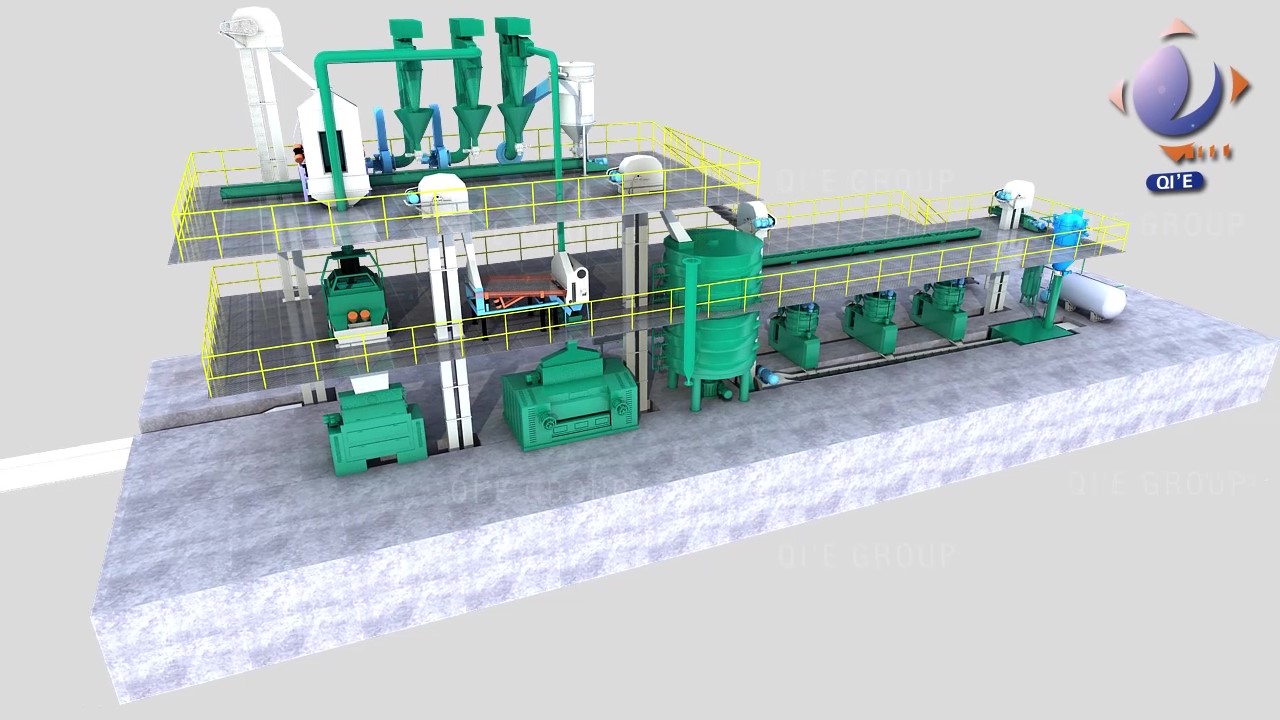
Modern rice bran oil lines integrate real-time monitoring systems, AI-driven temperature control, and closed-loop filtration — all designed to minimize human error while maximizing yield. This means fewer batch failures, less waste, and more predictable output — critical factors for food manufacturers sourcing oils at scale.
The environmental footprint of oil production is no longer just a compliance issue — it's a key decision driver for EU, North American, and Middle Eastern buyers. Our clients report up to 40% lower energy consumption per ton of oil using eco-friendly designs like heat recovery systems and low-pressure extrusion technology.
One major European foodservice distributor noted that switching to a certified green-certified rice bran oil supplier reduced their Scope 3 emissions by 12%, helping them meet corporate sustainability goals. That kind of alignment doesn’t just win contracts — it builds brand equity across supply chains.
Not every buyer needs the same capacity or output. Whether you're producing 5 tons/day for niche organic markets or scaling to 50+ tons/day for bulk B2B distribution, modern systems offer modular design flexibility. One client in Saudi Arabia used our customizable system to adapt from cold-pressed premium oil to high-volume refined oil in under 6 weeks — without downtime.
This agility is what sets leading processors apart. As global demand shifts toward healthier fats (like rice bran oil’s high tocopherol content), being able to pivot quickly gives your business both resilience and relevance.
Real Impact: A Vietnamese exporter reported a 45% increase in export orders after upgrading to an automated line — largely due to improved documentation, traceability, and faster response times during audits.
If you’re serious about growing your B2B presence — especially in Europe, the GCC, or Southeast Asia — now is the time to invest in smart automation. It’s not just about efficiency; it’s about positioning your brand as a future-ready partner.
Get a free customized feasibility assessment for your facility — including ROI projections based on your current setup.
Request Your Free Line Audit Now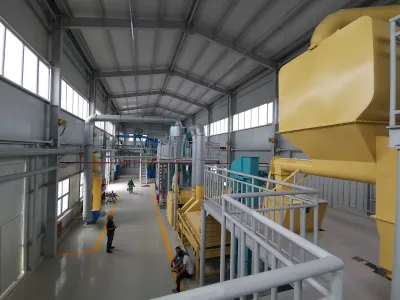
 94
|
94
|
 Cottonseed Oil Production Line
Cottonseed Oil Processing Equipment
High-Quality Cottonseed Oil
Automated Cottonseed Oil Production
Energy Efficient Cottonseed Oil Line
Custom Cottonseed Oil Production Line
Durable Cottonseed Oil Equipment
Cottonseed Oil Refining Technology
Cottonseed Oil Plant Solutions
Cottonseed Oil Production Line
Cottonseed Oil Processing Equipment
High-Quality Cottonseed Oil
Automated Cottonseed Oil Production
Energy Efficient Cottonseed Oil Line
Custom Cottonseed Oil Production Line
Durable Cottonseed Oil Equipment
Cottonseed Oil Refining Technology
Cottonseed Oil Plant Solutions
 453
|
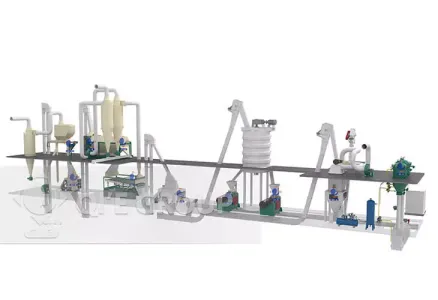
advanced palm oil production equipment
automated palm oil processing technology
efficient palm oil manufacturing solutions
453
|
advanced palm oil production equipment
automated palm oil processing technology
efficient palm oil manufacturing solutions
 297
|
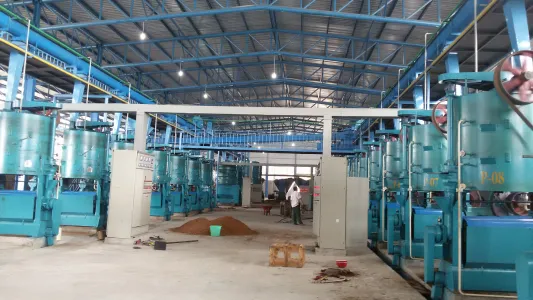
High Efficiency Coconut Oil Production Line
coconut oil production line
efficient coconut oil extraction
automated coconut oil production line
energy-saving coconut oil production
multifunctional coconut oil processing
environmentally friendly coconut oil production
coconut oil refining systems
coconut oil extraction technology
297
|
High Efficiency Coconut Oil Production Line
coconut oil production line
efficient coconut oil extraction
automated coconut oil production line
energy-saving coconut oil production
multifunctional coconut oil processing
environmentally friendly coconut oil production
coconut oil refining systems
coconut oil extraction technology
 374
|
energy-efficient corn germ oil production line
modular corn germ oil processing system
solutions for startup edible oil businesses
374
|
energy-efficient corn germ oil production line
modular corn germ oil processing system
solutions for startup edible oil businesses
 171
|
Energy-saving soybean processing equipment
Soybean flake equipment
Solvent extraction technology
Soybean protein retention
High-quality soybean raw materials
171
|
Energy-saving soybean processing equipment
Soybean flake equipment
Solvent extraction technology
Soybean protein retention
High-quality soybean raw materials