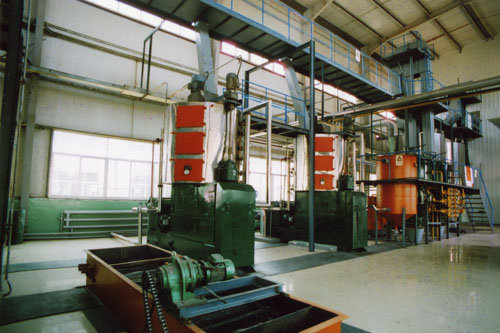
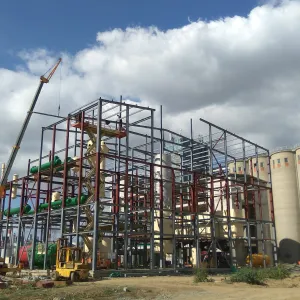
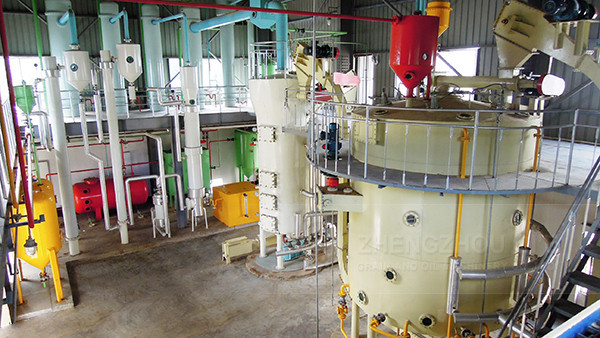
When it comes to selecting oil production equipment, you may encounter various challenges. Many buyers often fall into common traps, such as over - emphasizing the initial purchase price while neglecting long - term operating costs. This can lead to high energy consumption, low production efficiency, and even non - compliance with environmental regulations in the later stages of operation. You might be wondering how to avoid these pitfalls and make a more informed decision. Let's take a closer look at the key factors.
One of the most critical aspects is ensuring that the equipment's capacity aligns with your production needs. An undersized machine will limit your output, while an oversized one will result in unnecessary energy and cost waste. For example, if your daily production target is 50 tons of refined oil, you need to choose equipment with a suitable processing capacity. A well - matched capacity can increase your production efficiency by up to 30%, reducing overall operating costs.
Energy costs are a significant part of the overall operating expenses. Modern oil production equipment has made great progress in energy - saving technology. High - efficiency equipment can reduce energy consumption by 20% - 30% compared to traditional models. By choosing energy - efficient equipment, you can not only save costs but also contribute to environmental protection.
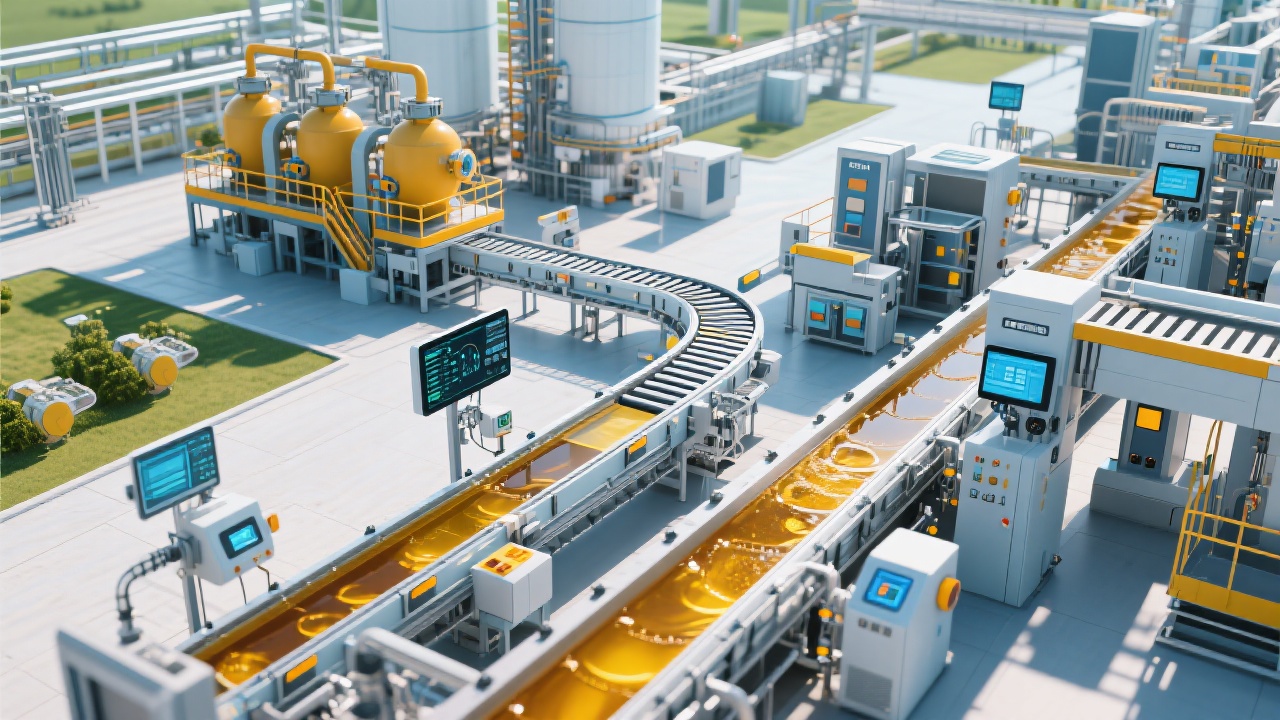
The automation level of the equipment directly affects production efficiency and product quality consistency. Automated equipment can minimize human error, improve production speed, and ensure stable product quality. For instance, an automated oil refining line can adjust the refining process in real - time according to the quality of the raw materials, thus enhancing the oil's quality and yield.
With the increasing emphasis on environmental protection worldwide, ensuring that your equipment meets environmental regulations is essential. Non - compliant equipment may face fines and restrictions. Our advanced oil production equipment is designed to minimize waste emissions and meet strict environmental standards, helping you comply with export certifications and avoid potential legal risks.
Proper utilization of by - products can significantly improve your overall economic benefits. For example, in the oil production process, the meal left after oil extraction can be used as high - quality animal feed. Our equipment is designed to maximize the utilization of by - products, increasing your revenue from secondary sources.
Different raw materials, such as soybeans, rapeseeds, and palm, have different physical and chemical properties, which require corresponding equipment configurations. For example, soybeans have a relatively low oil content and need a more efficient extraction process. Rapeseeds, on the other hand, require specific pretreatment steps to improve the oil yield. Understanding these differences can help you choose the most suitable equipment for your raw materials, thereby improving the oil yield and quality consistency.
Many of our overseas customers have achieved remarkable results through proper equipment selection. One customer in Southeast Asia, who used to face low production efficiency and high costs, upgraded their oil production line according to our recommendations. After the upgrade, they achieved a 25% annual production increase and reduced their energy consumption by 20%. This not only improved their profitability but also enhanced their competitiveness in the international market.
The future of oil production equipment lies in the integration of intelligence and green technology. Intelligent equipment can self - diagnose problems, adjust production parameters in real - time, and optimize the production process. Green technology focuses on reducing energy consumption, waste emissions, and environmental impact. By keeping up with these trends, you can ensure that your investment in equipment remains competitive in the long run.
Discover the Ideal Oil Production Equipment for Your Business Now!

 336
|
336
|
 Palm Kernel Oil Production Line Equipment
Oil Production Line Equipment for Palm Oil
High-Efficiency Palm Kernel Oil Extraction Equipment
Palm Kernel Oil Production Line Equipment
Oil Production Line Equipment for Palm Oil
High-Efficiency Palm Kernel Oil Extraction Equipment
 289
|
seed preprocessing technology for vegetable oil
efficient oilseed processing solutions
innovative vegetable oil extraction systems
289
|
seed preprocessing technology for vegetable oil
efficient oilseed processing solutions
innovative vegetable oil extraction systems
 366
|
seed preprocessing equipment for oil extraction
comprehensive solutions for edible oil production
customer-centric service in oil processing
366
|
seed preprocessing equipment for oil extraction
comprehensive solutions for edible oil production
customer-centric service in oil processing
 137
|
modern oil production line
improvement of oil processing efficiency
environmentally friendly oil production line
oil mill automation transformation
vegetable oil refining process
137
|
modern oil production line
improvement of oil processing efficiency
environmentally friendly oil production line
oil mill automation transformation
vegetable oil refining process
 74
|
coconut oil production line
safety assurance technology
production line reliability
energy-saving and environmental protection production
efficient coconut oil processing
74
|
coconut oil production line
safety assurance technology
production line reliability
energy-saving and environmental protection production
efficient coconut oil processing